Post-Classificatory Biomorphism

By Eponine Lutz

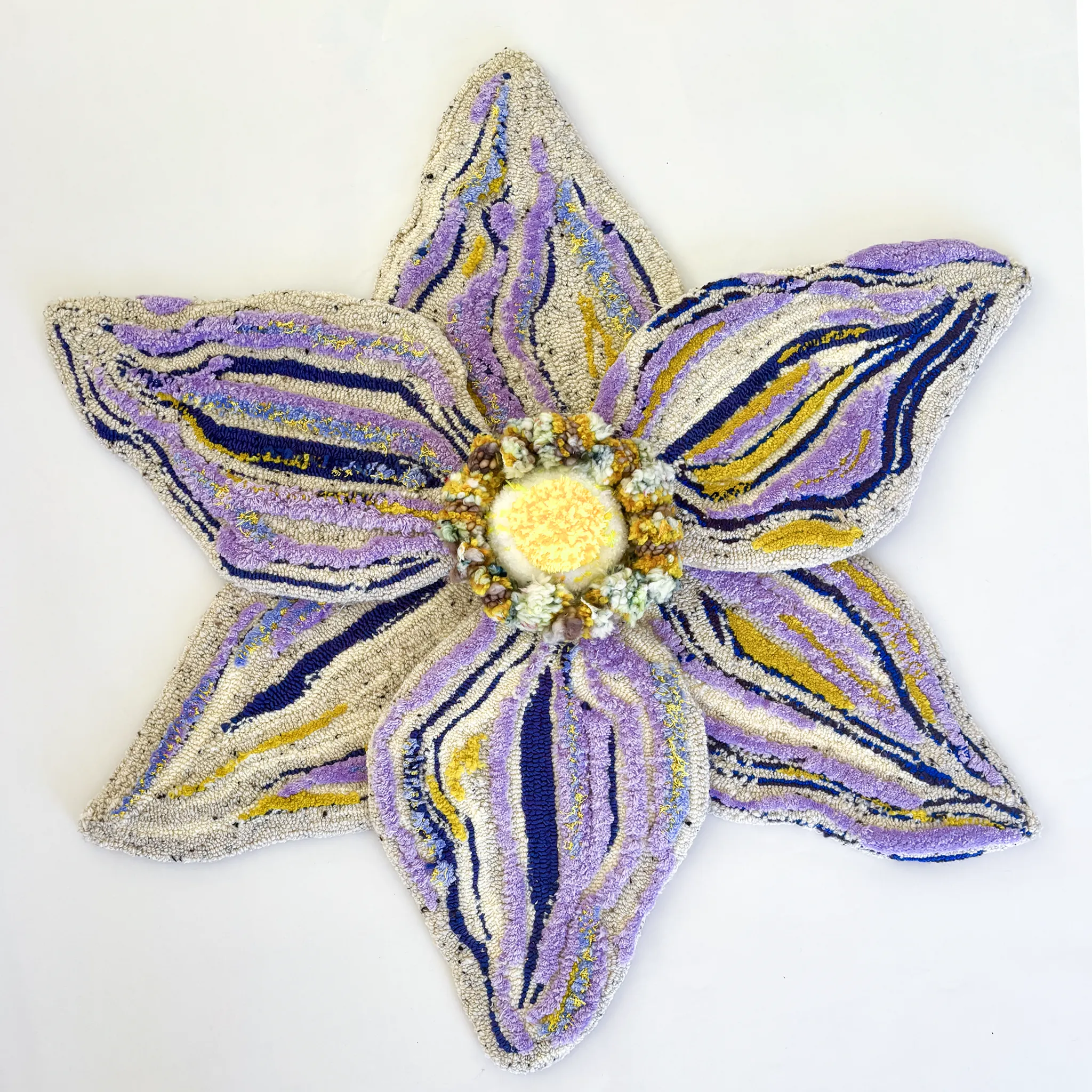
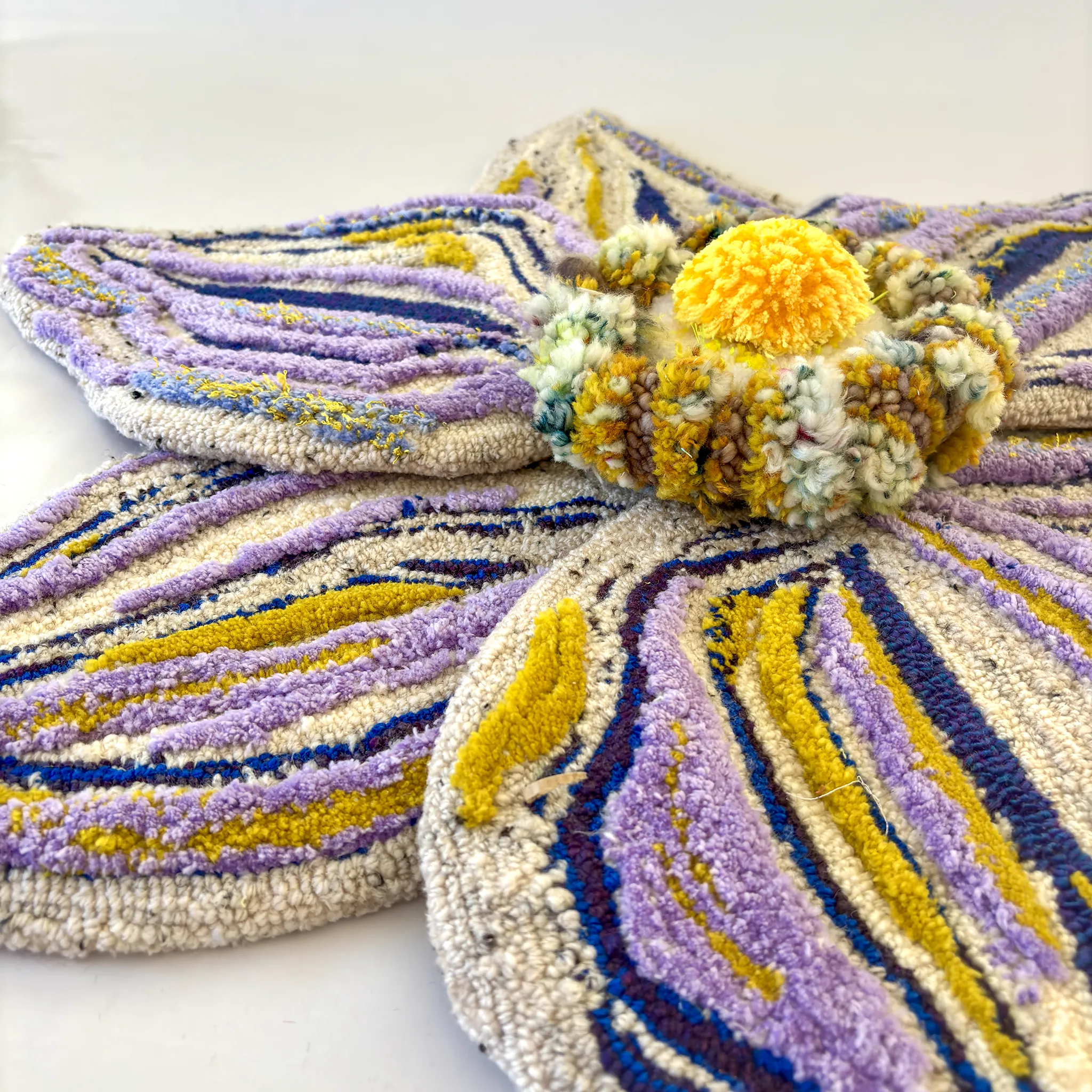
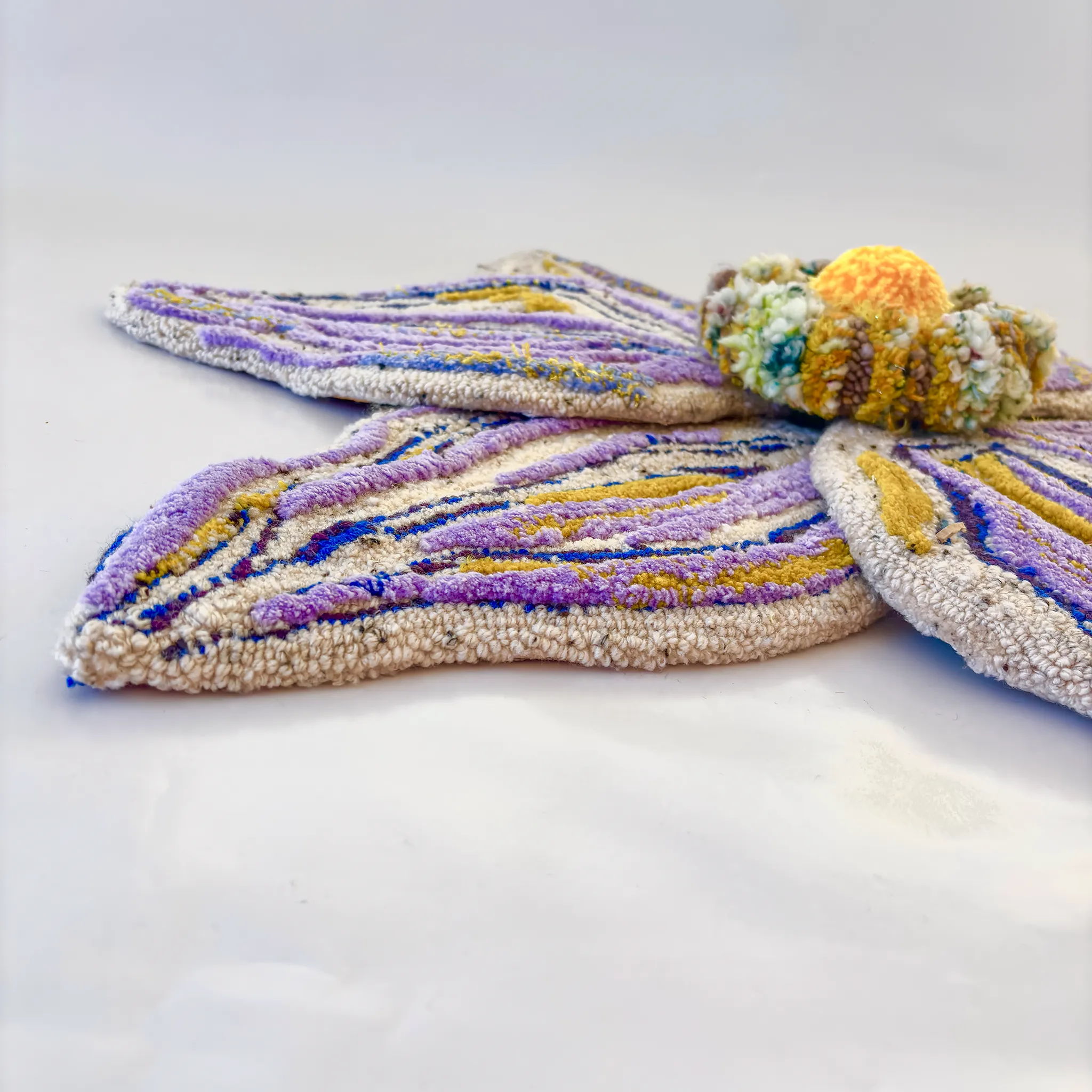
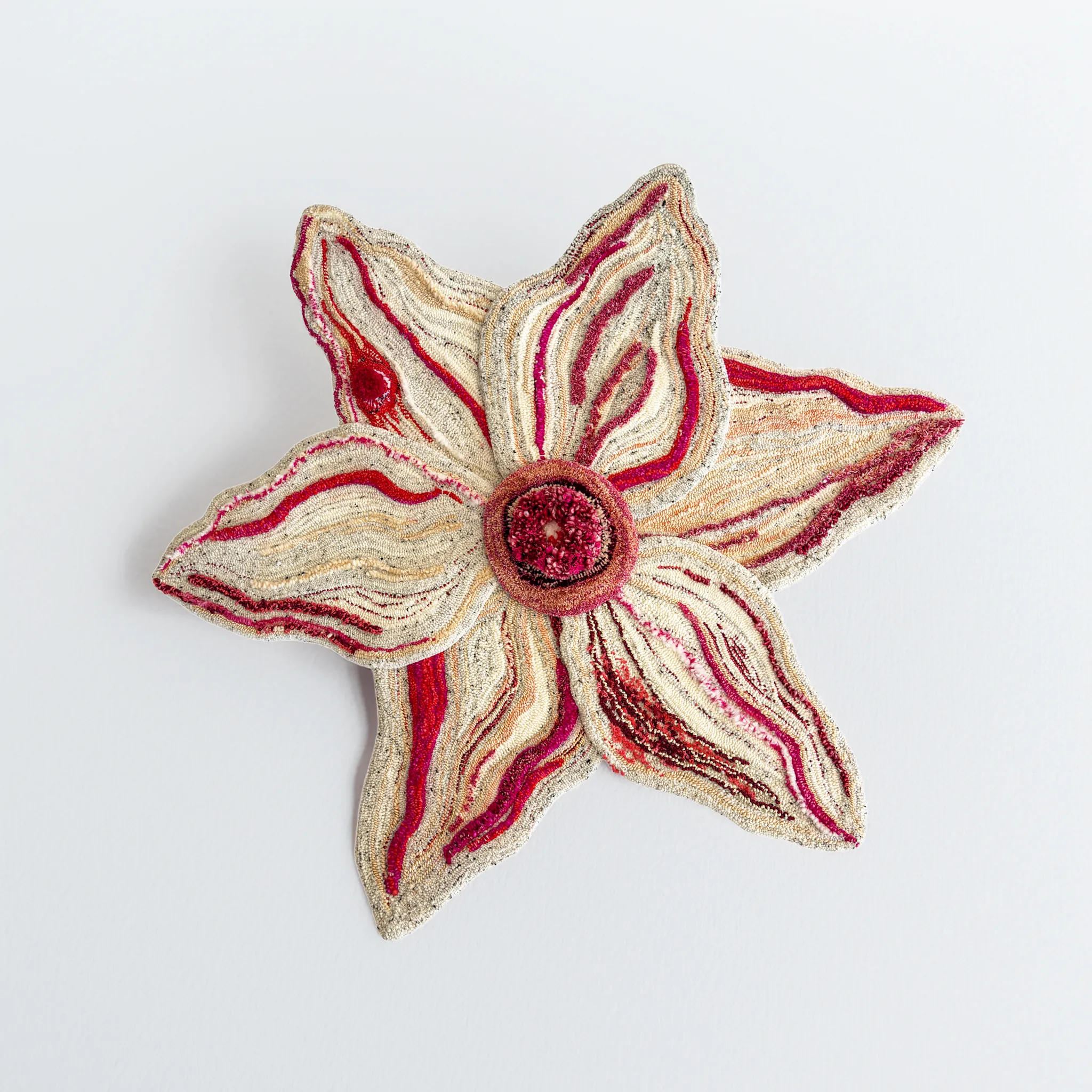
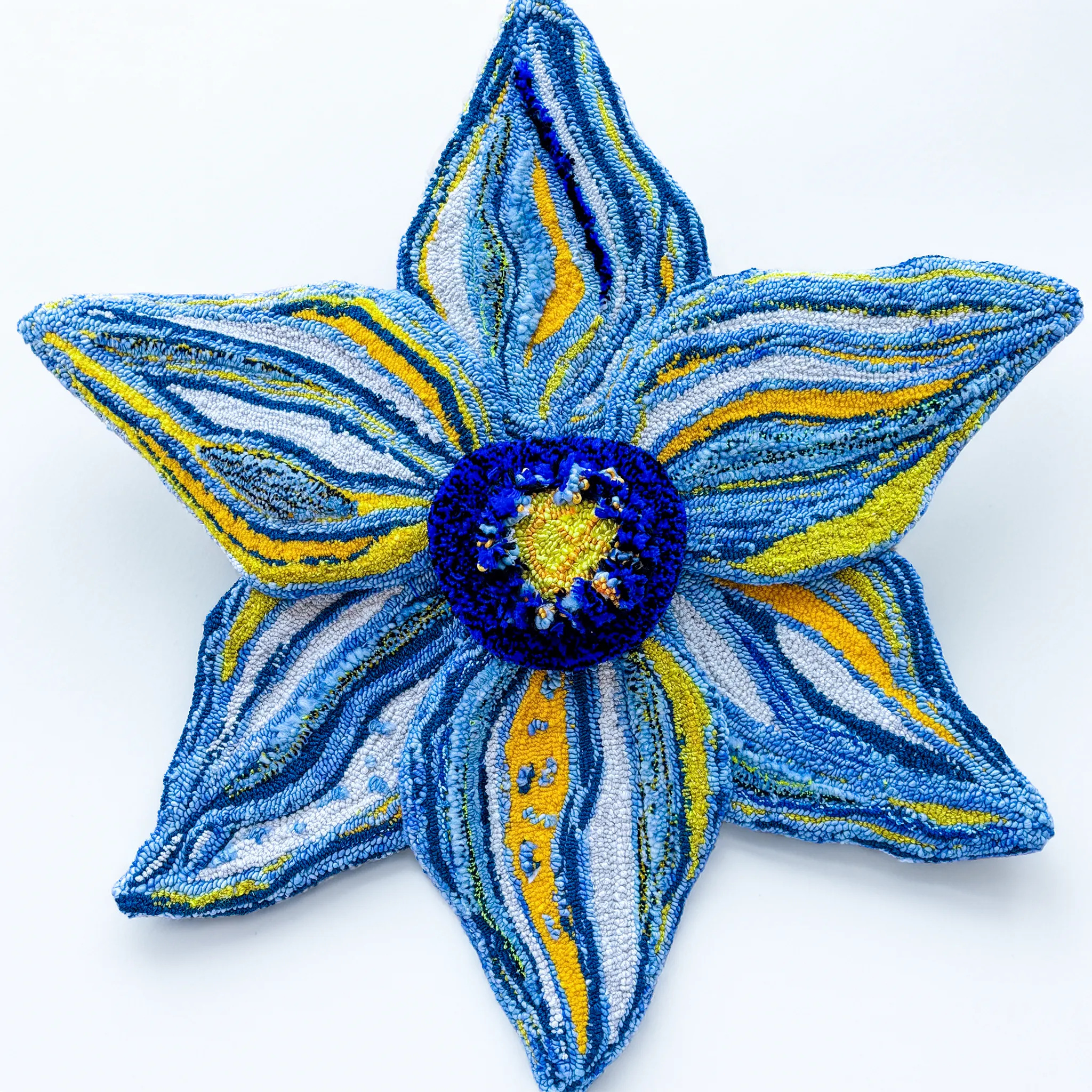
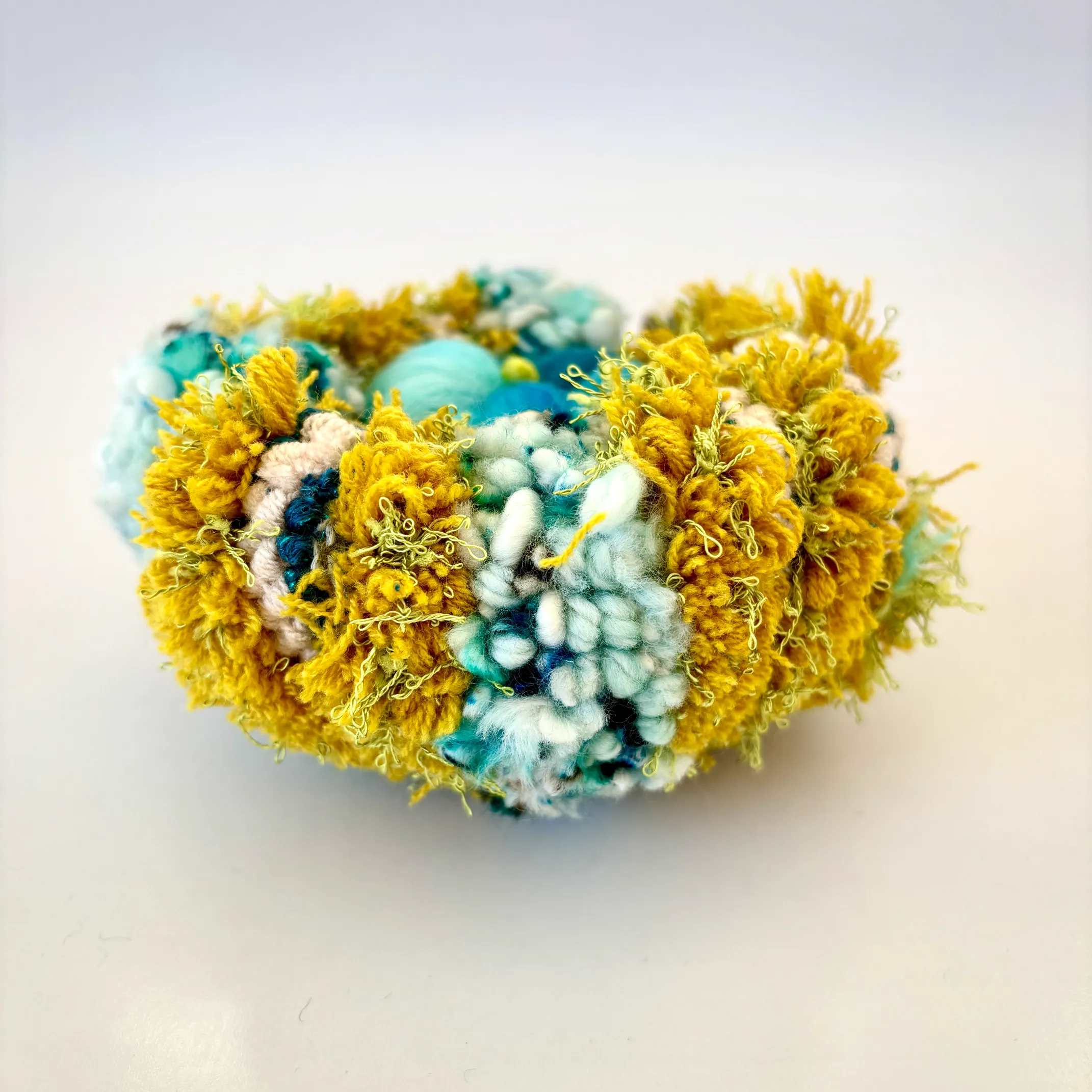
Organisms: Association - Construction - Expansion

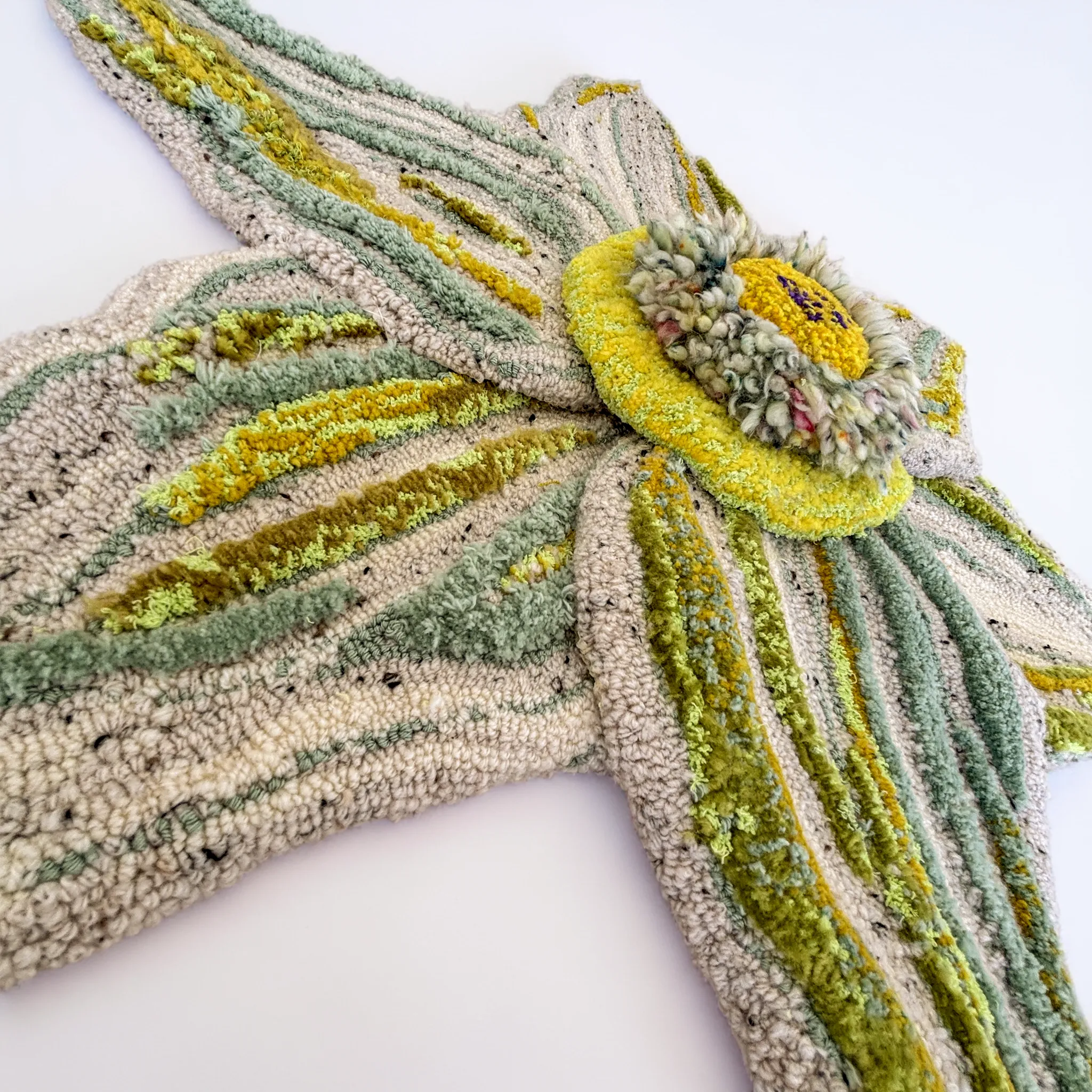
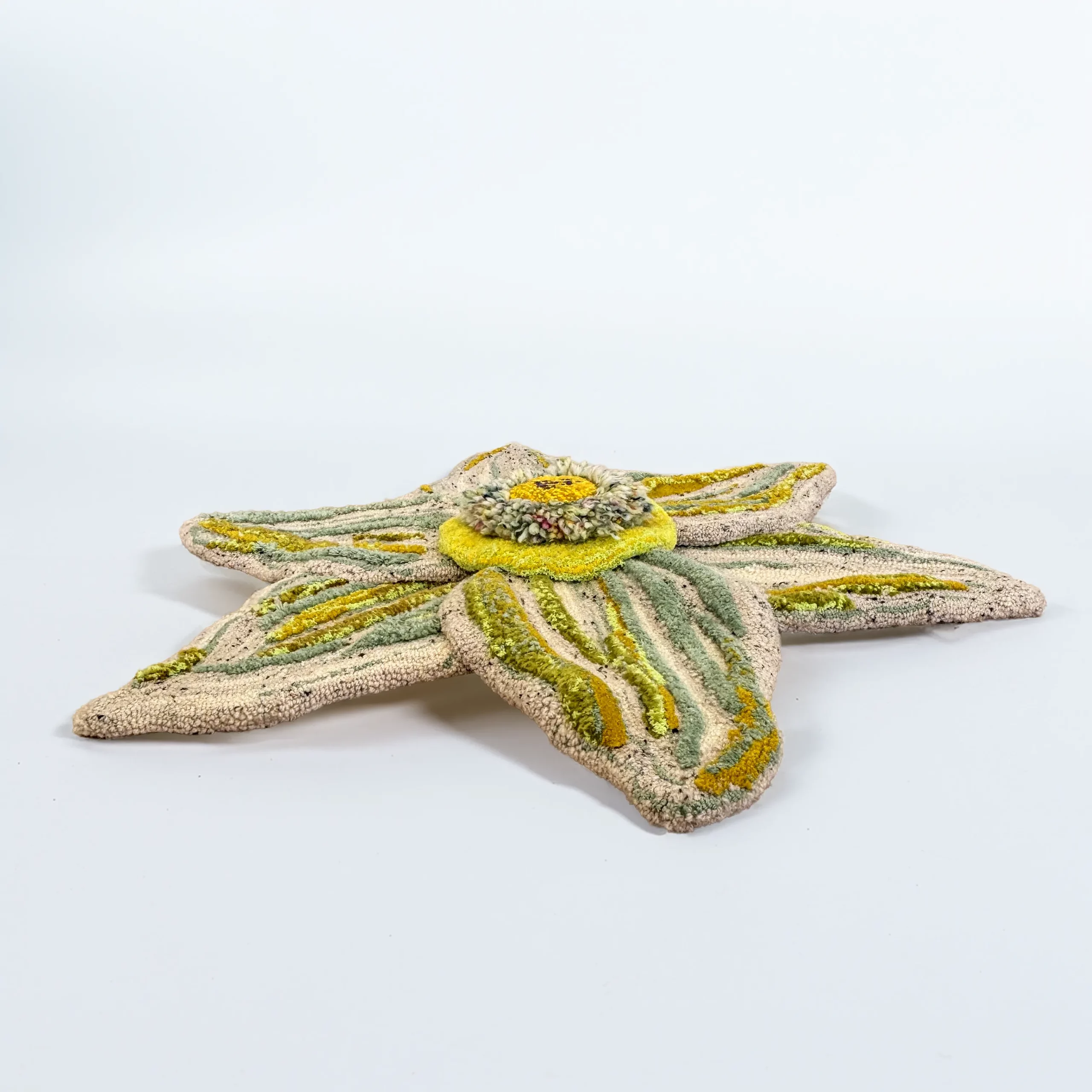
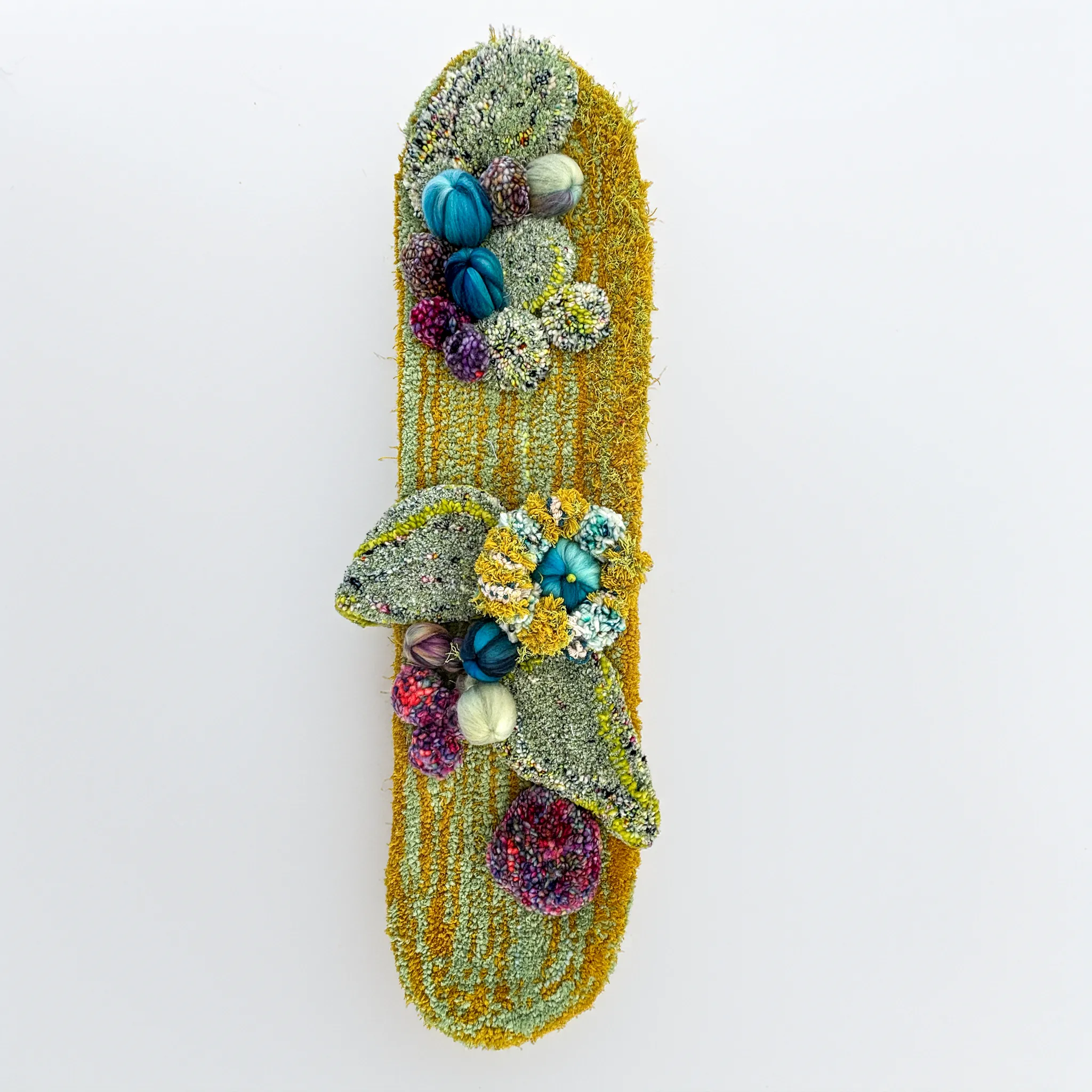
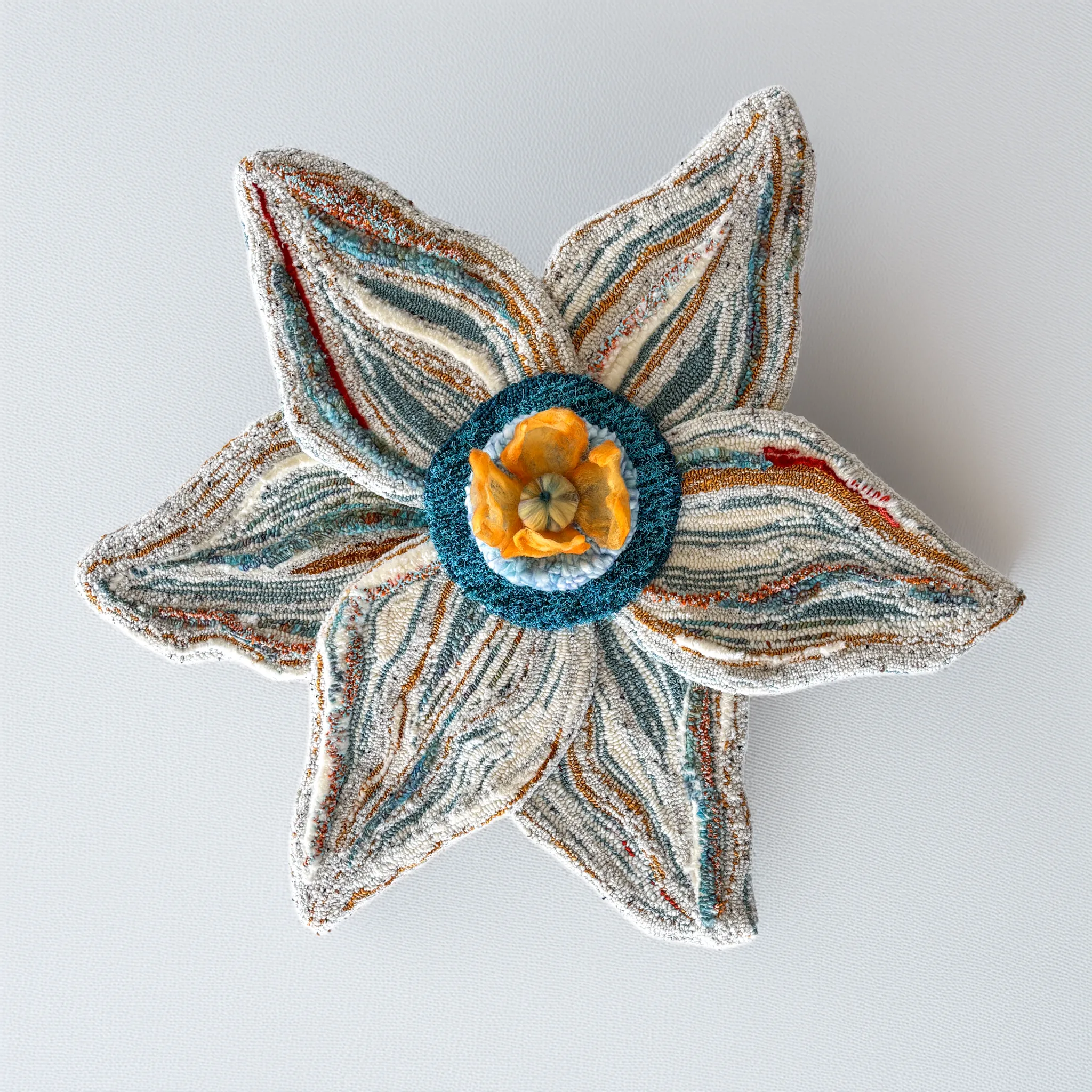
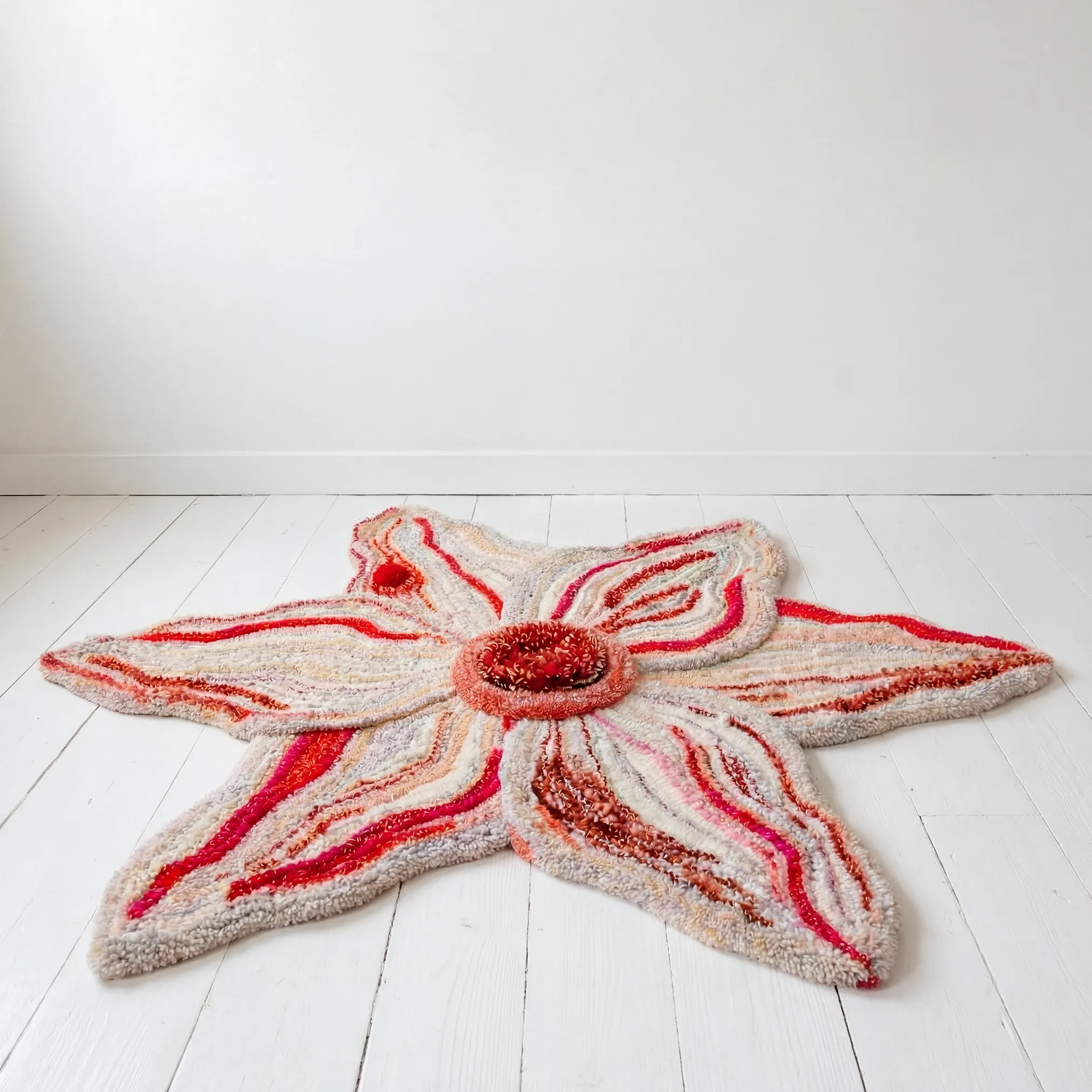
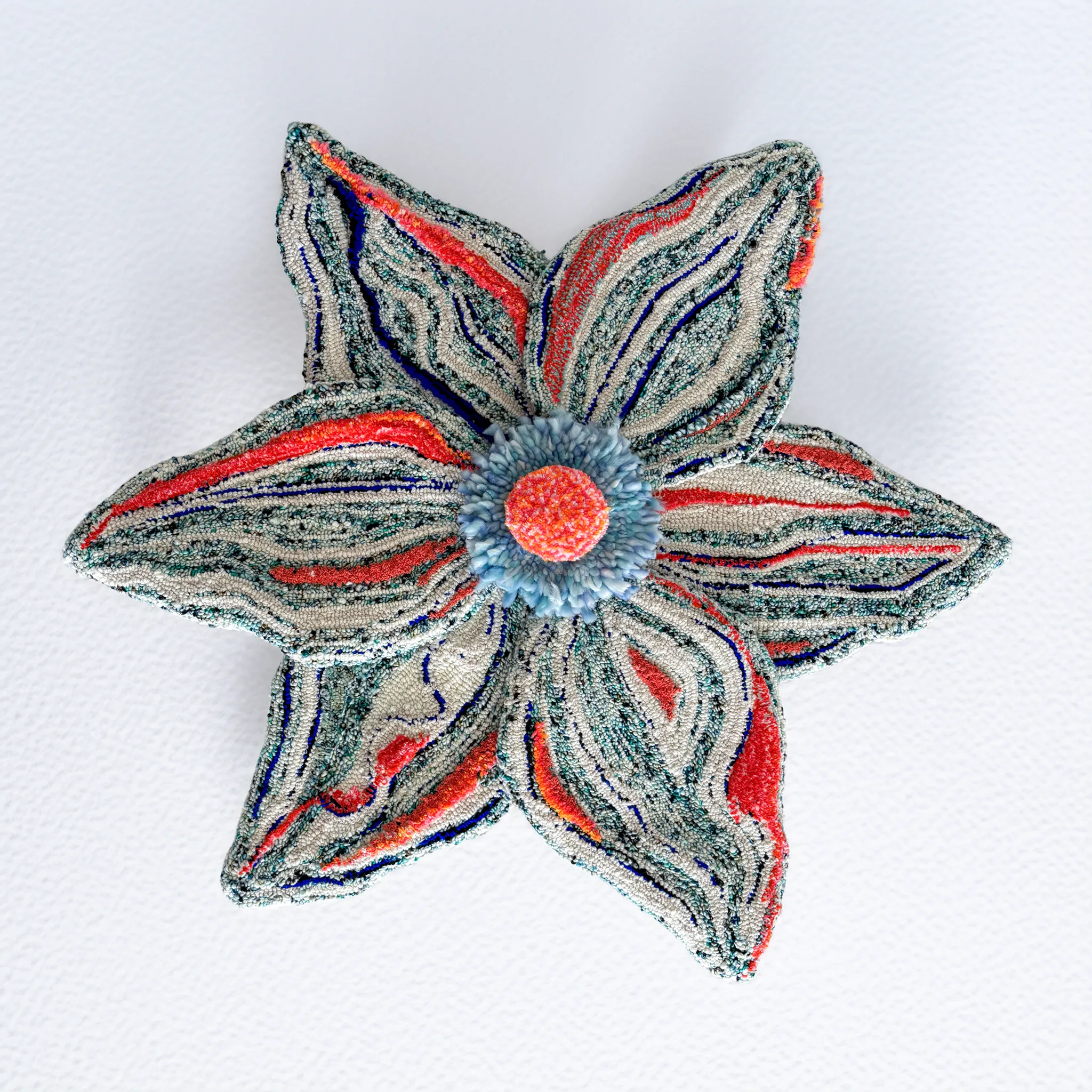
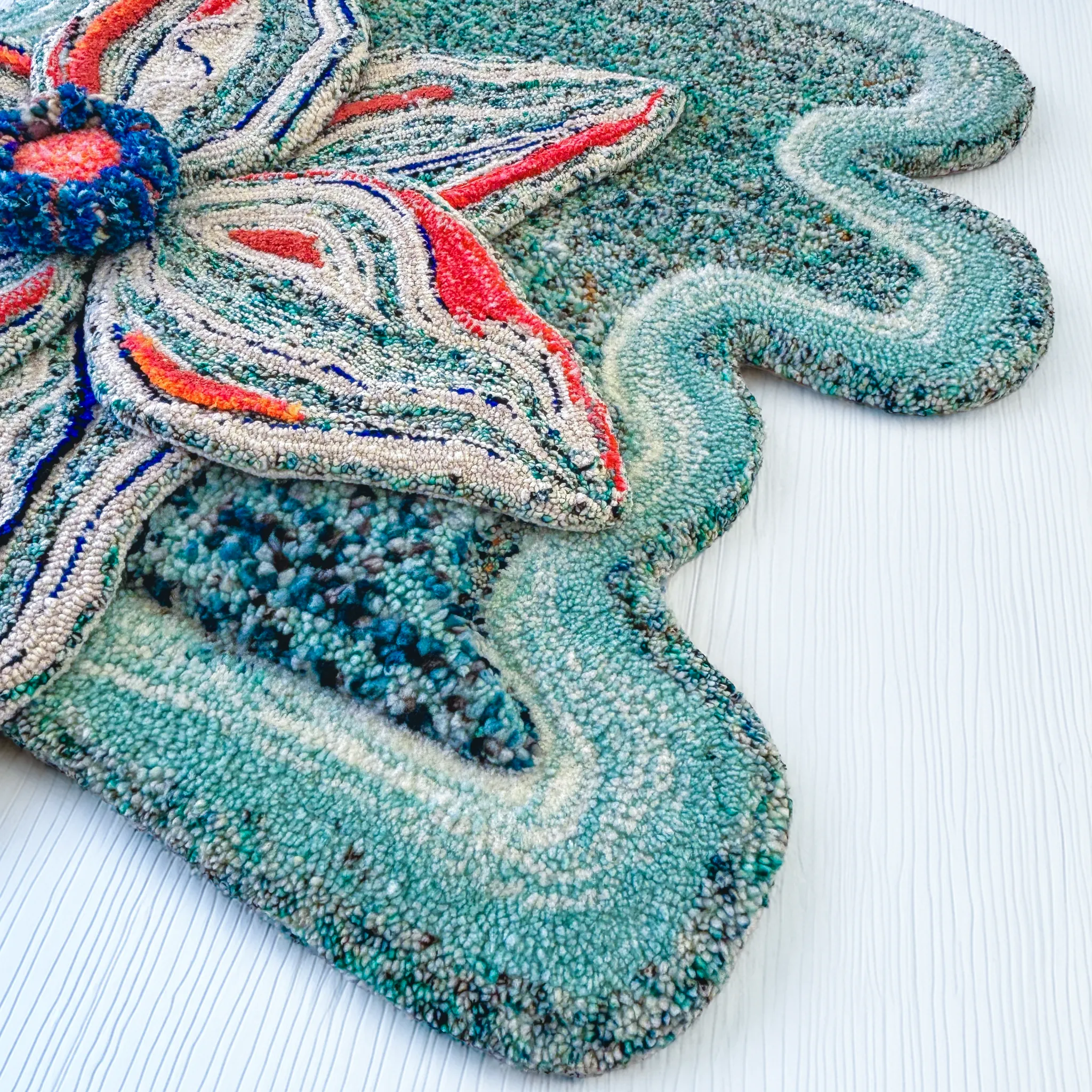
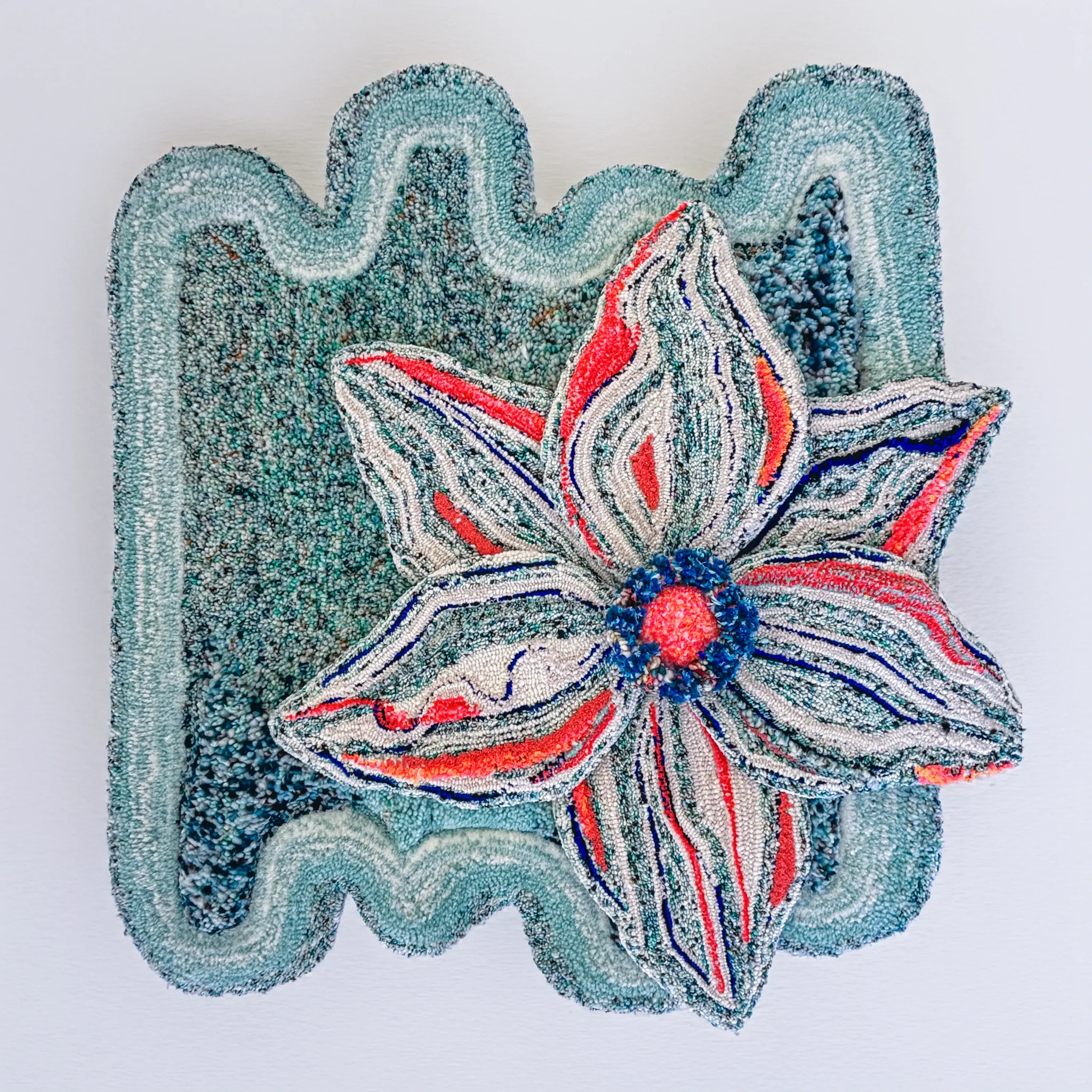
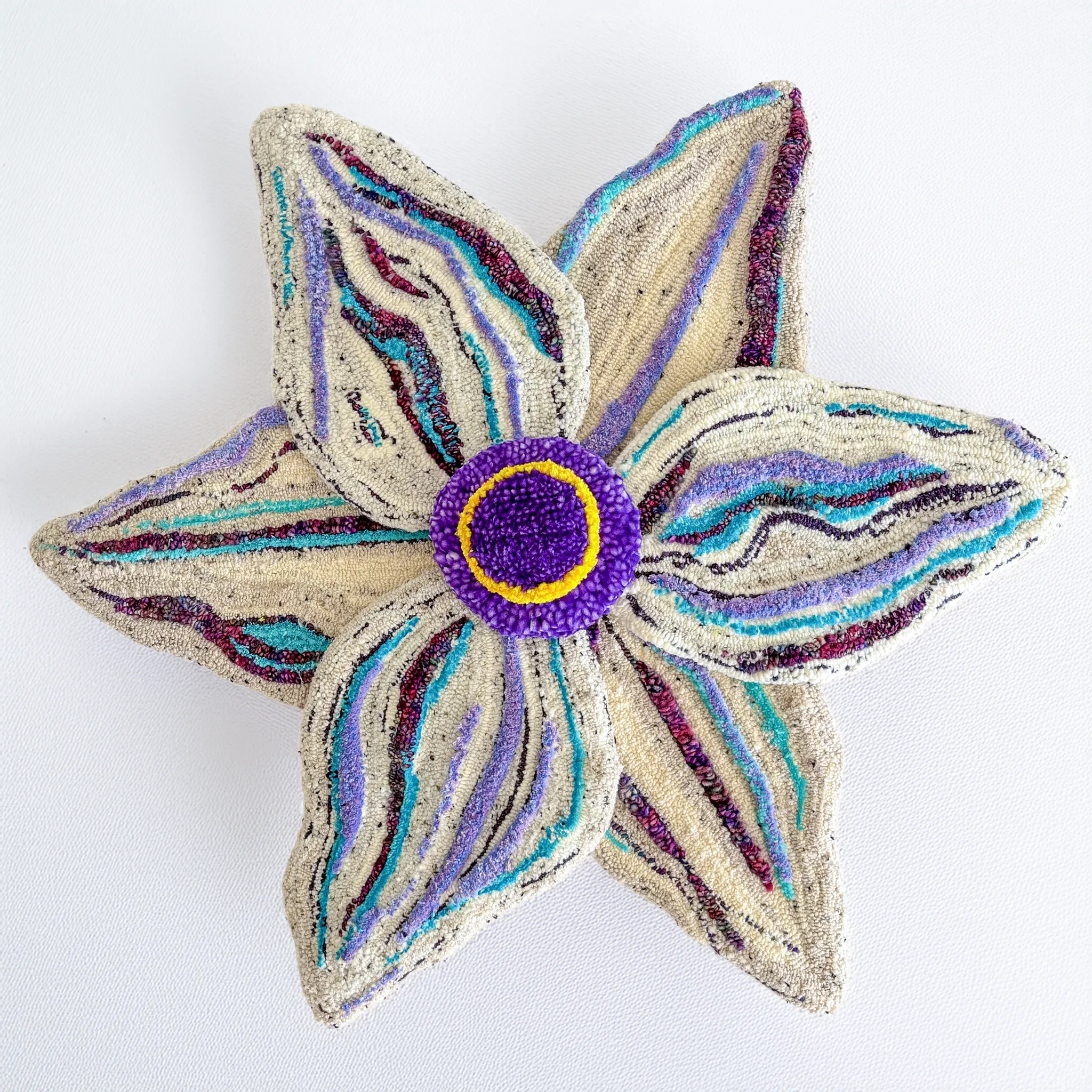
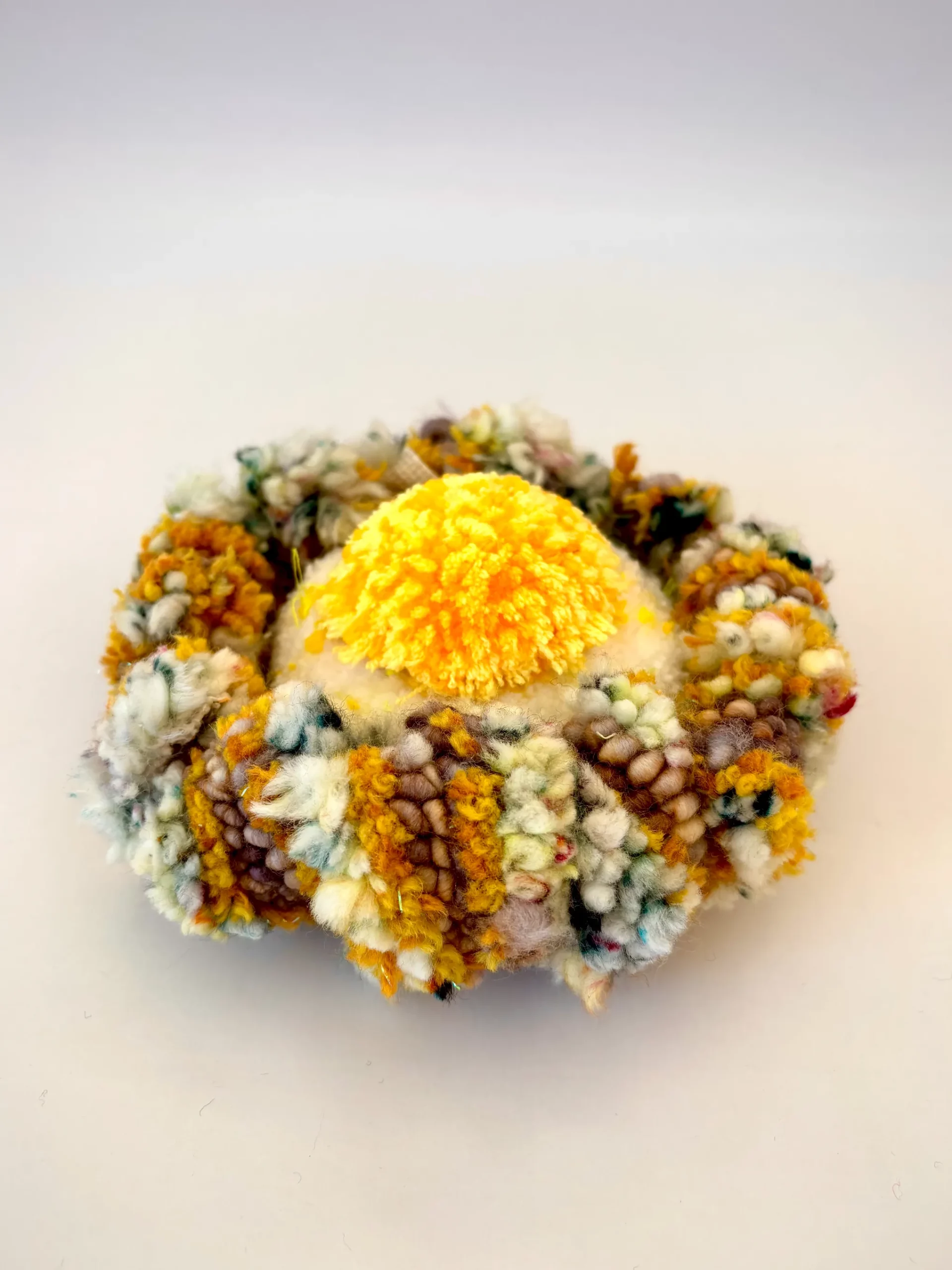
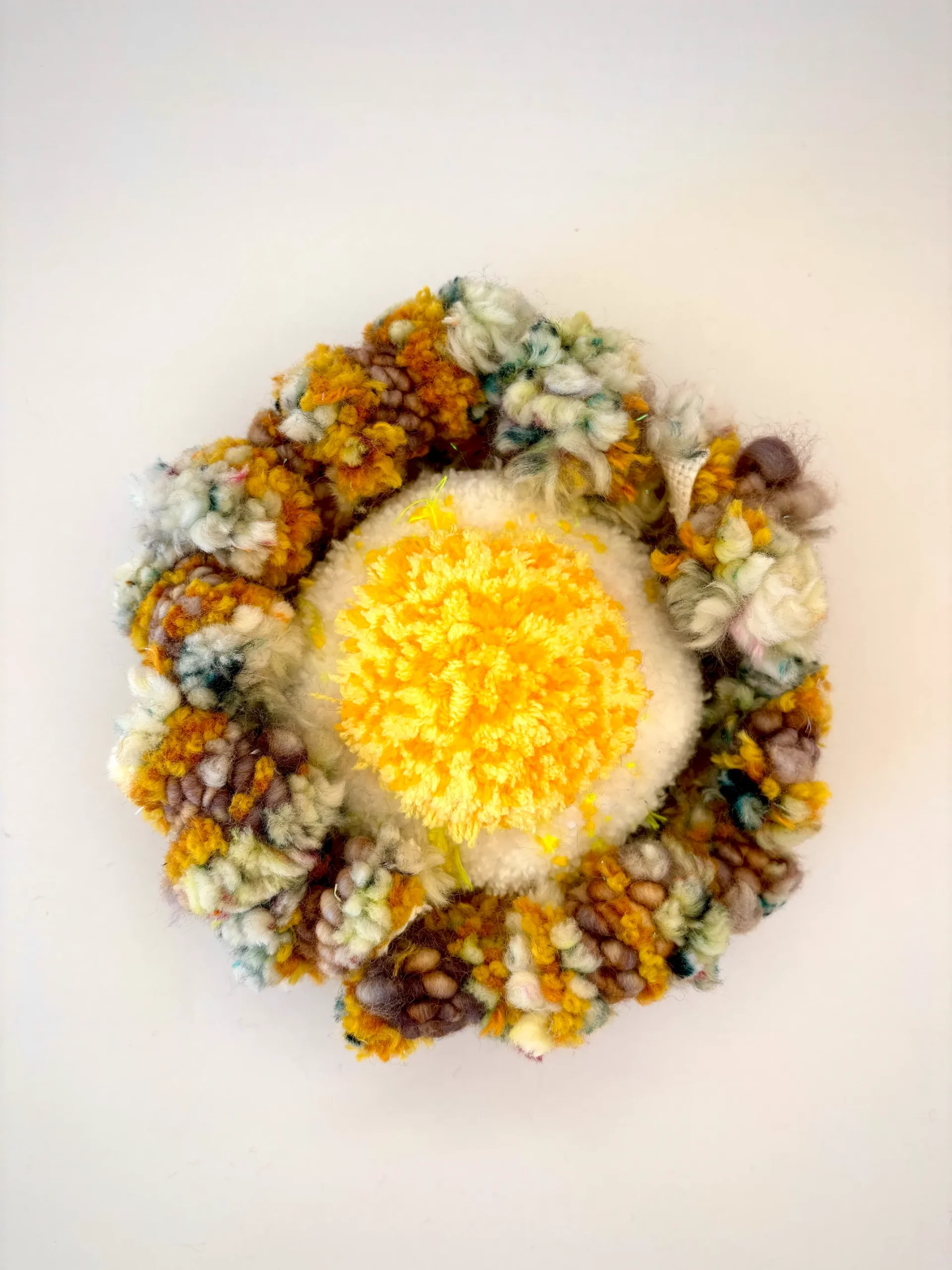
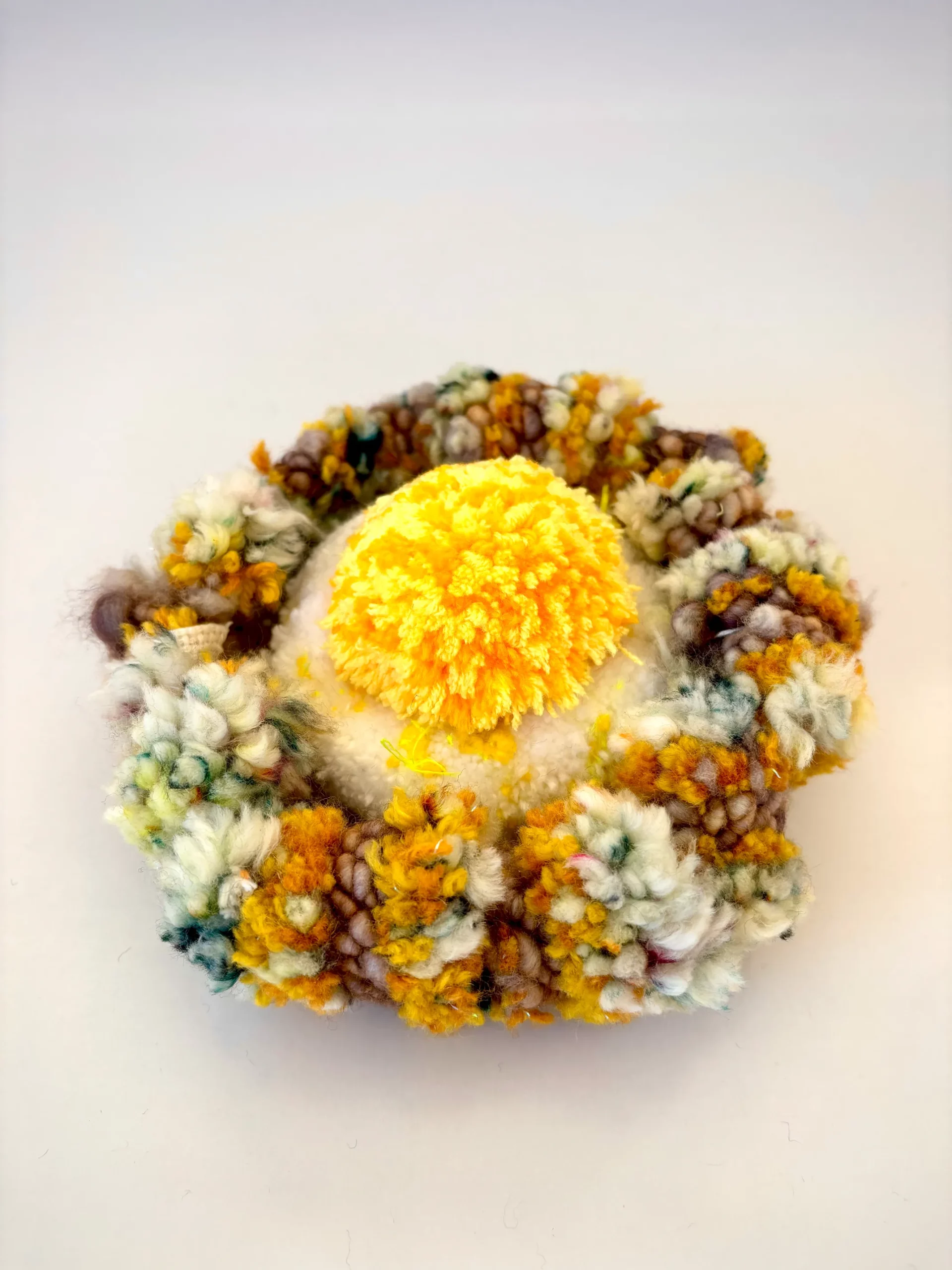
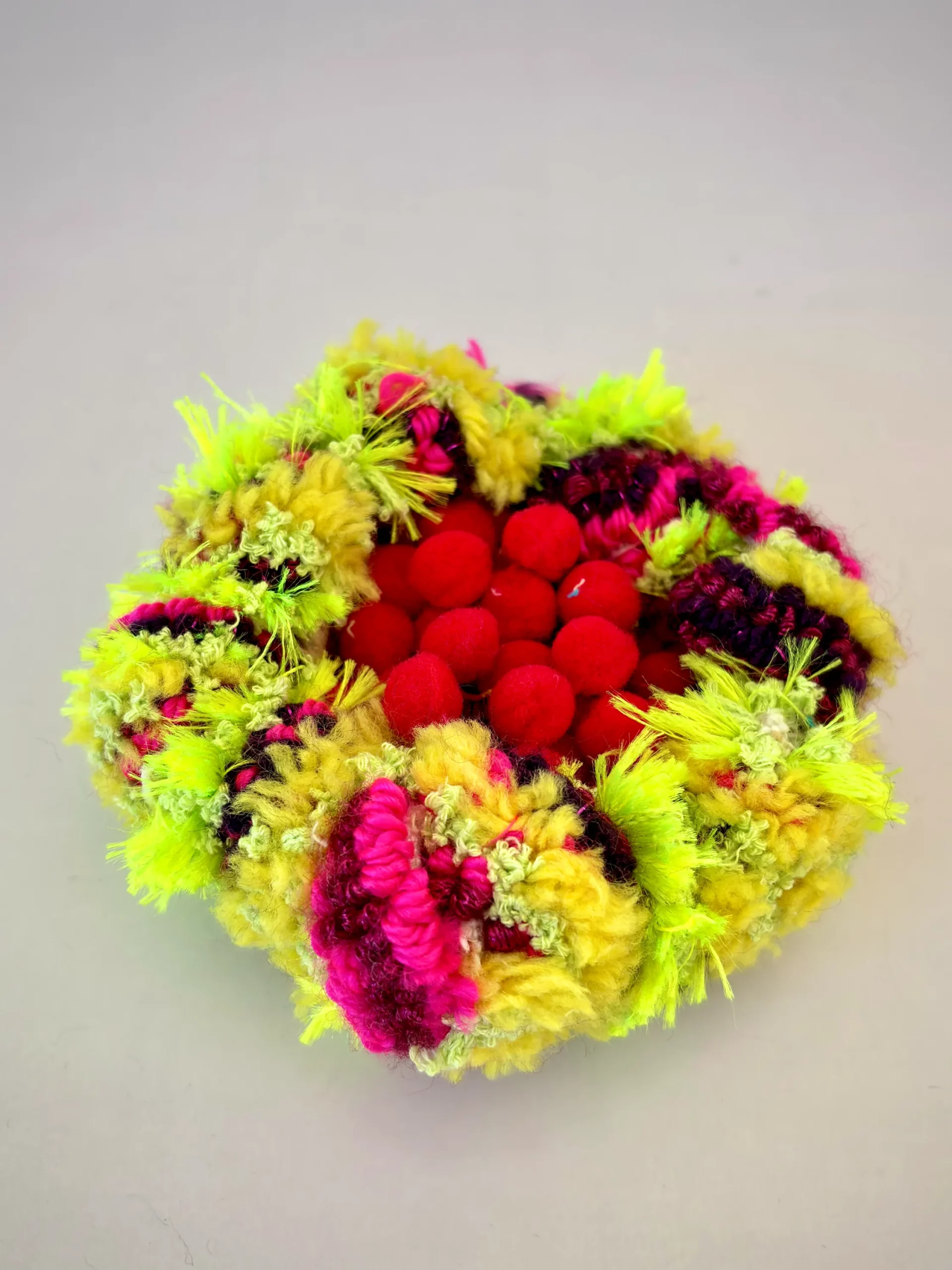
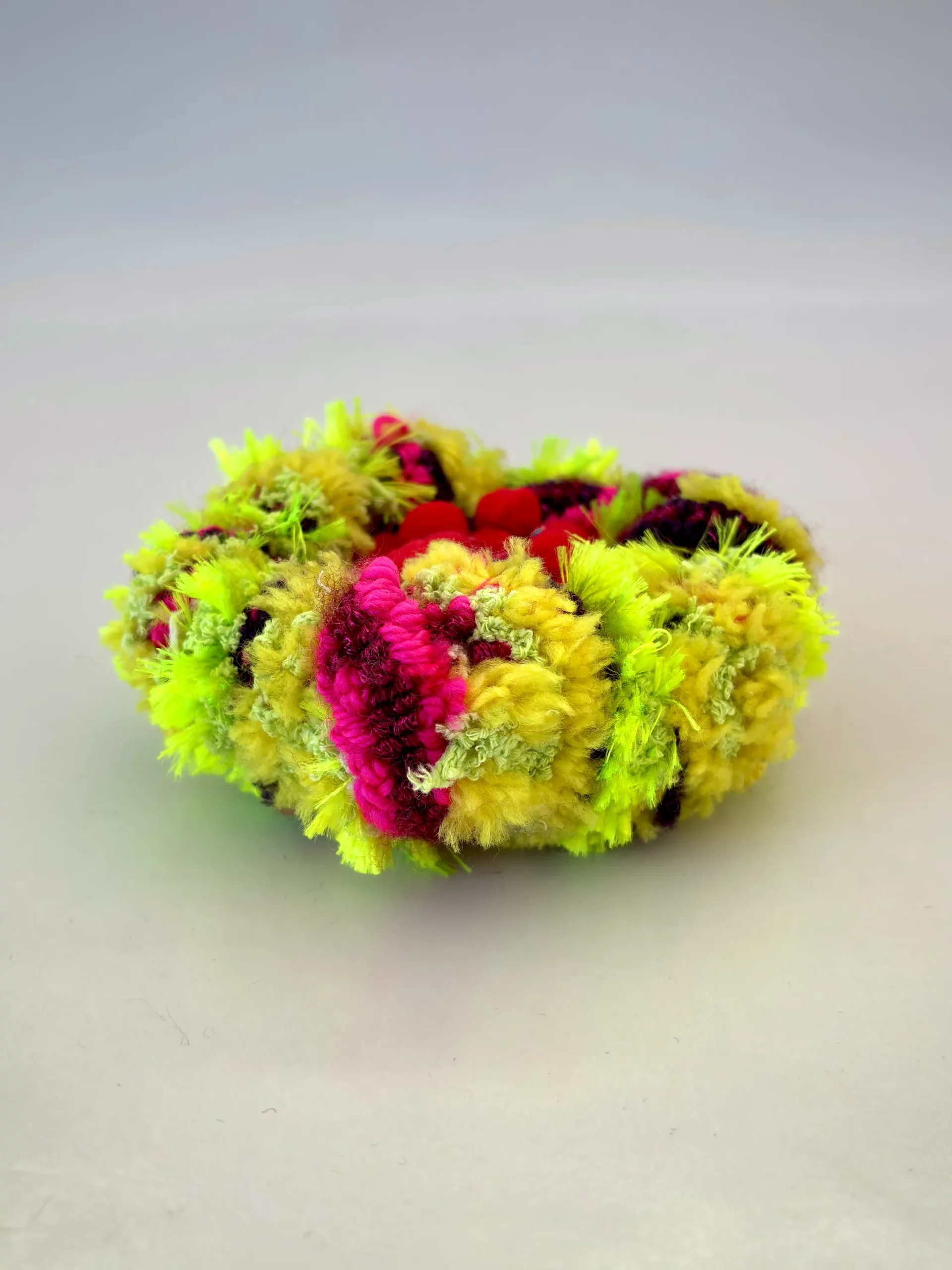
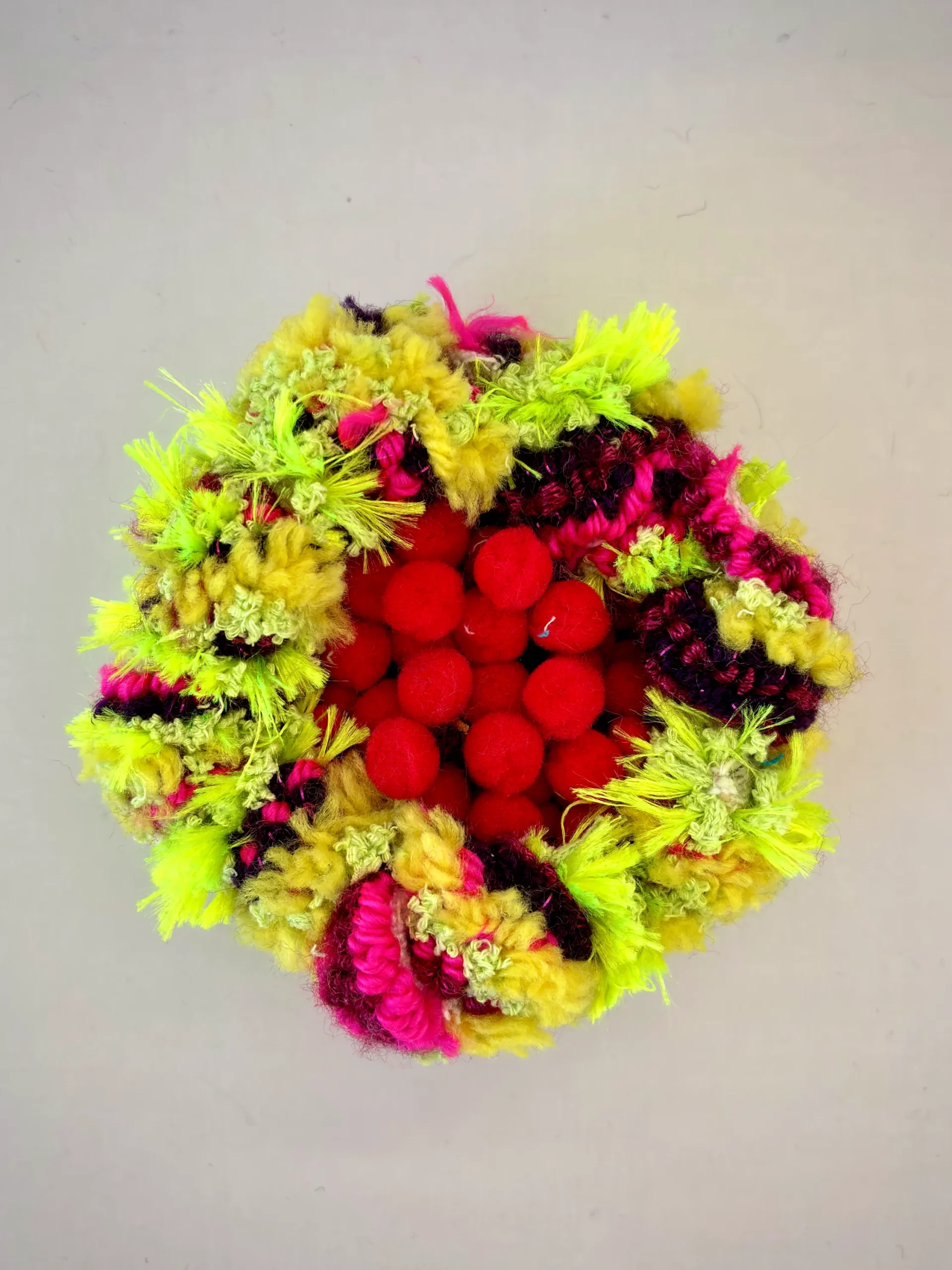
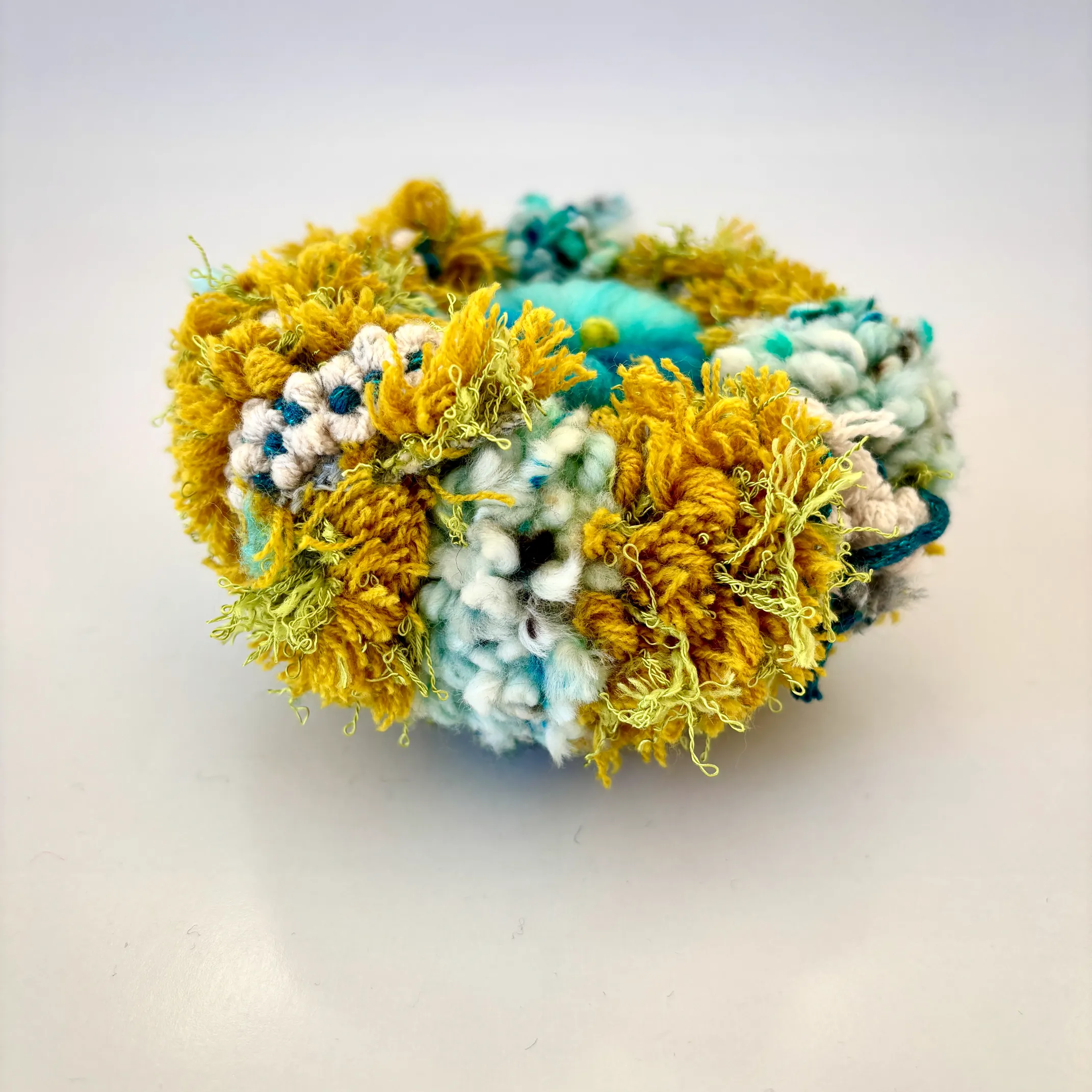
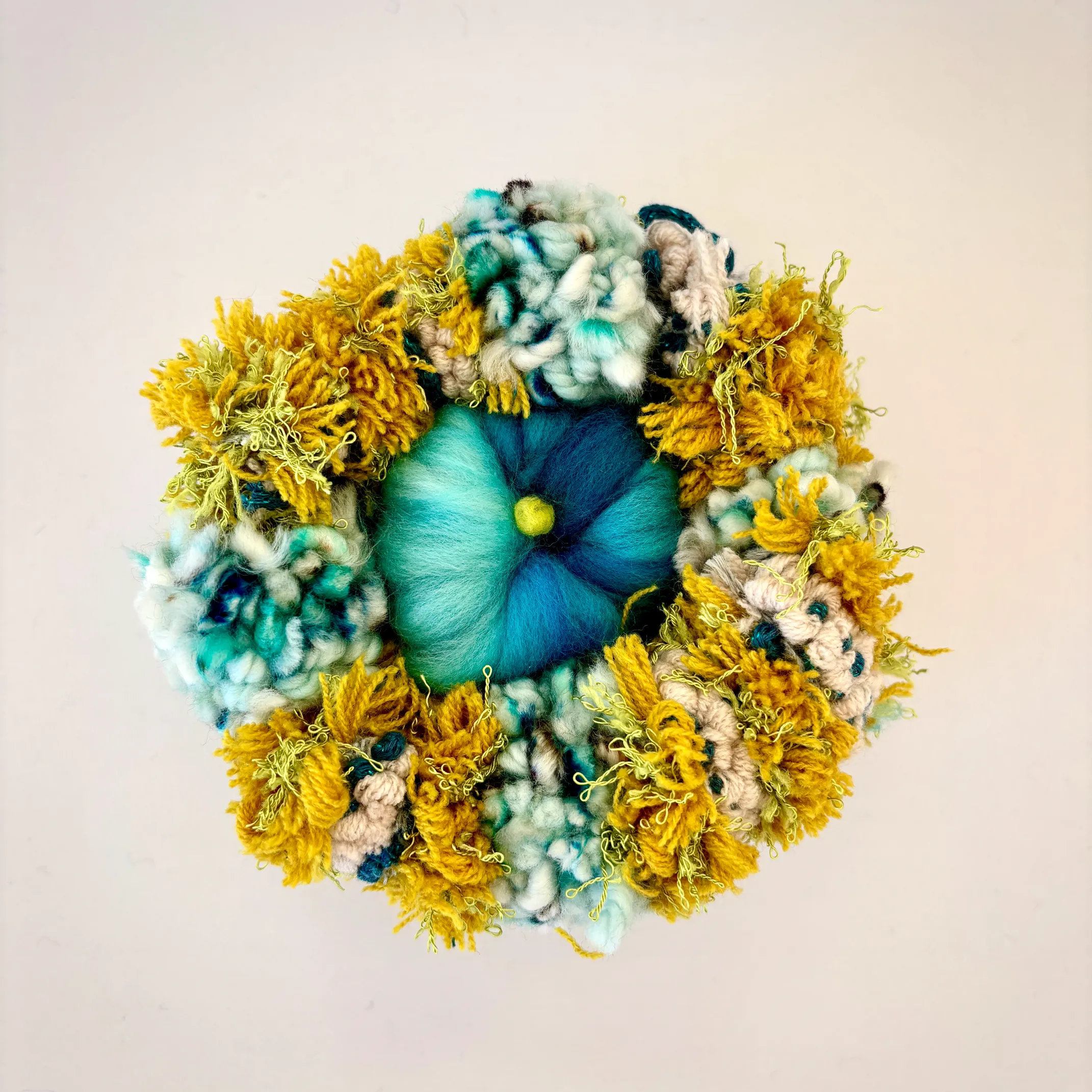
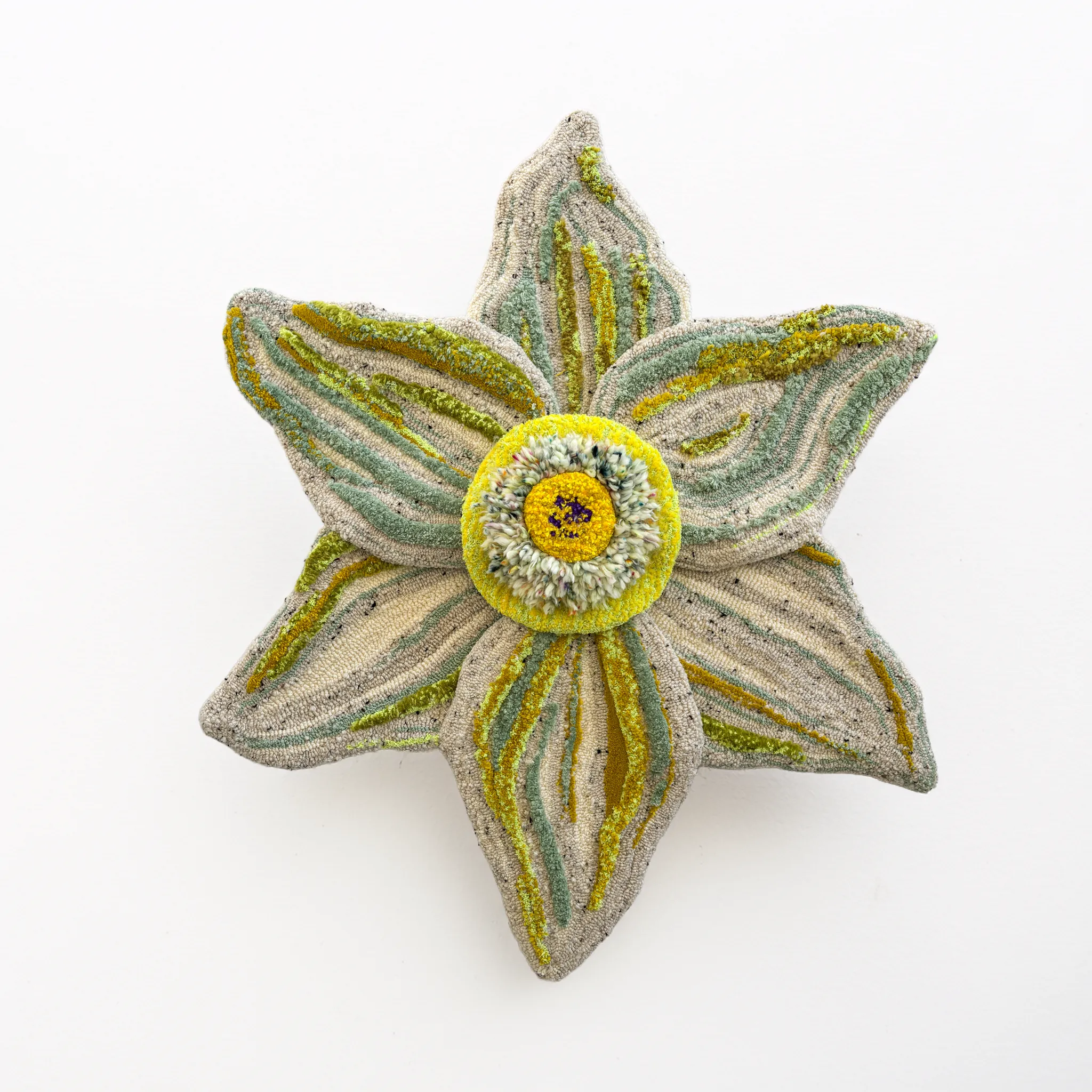
Organisms constitute the deployed form of the living.

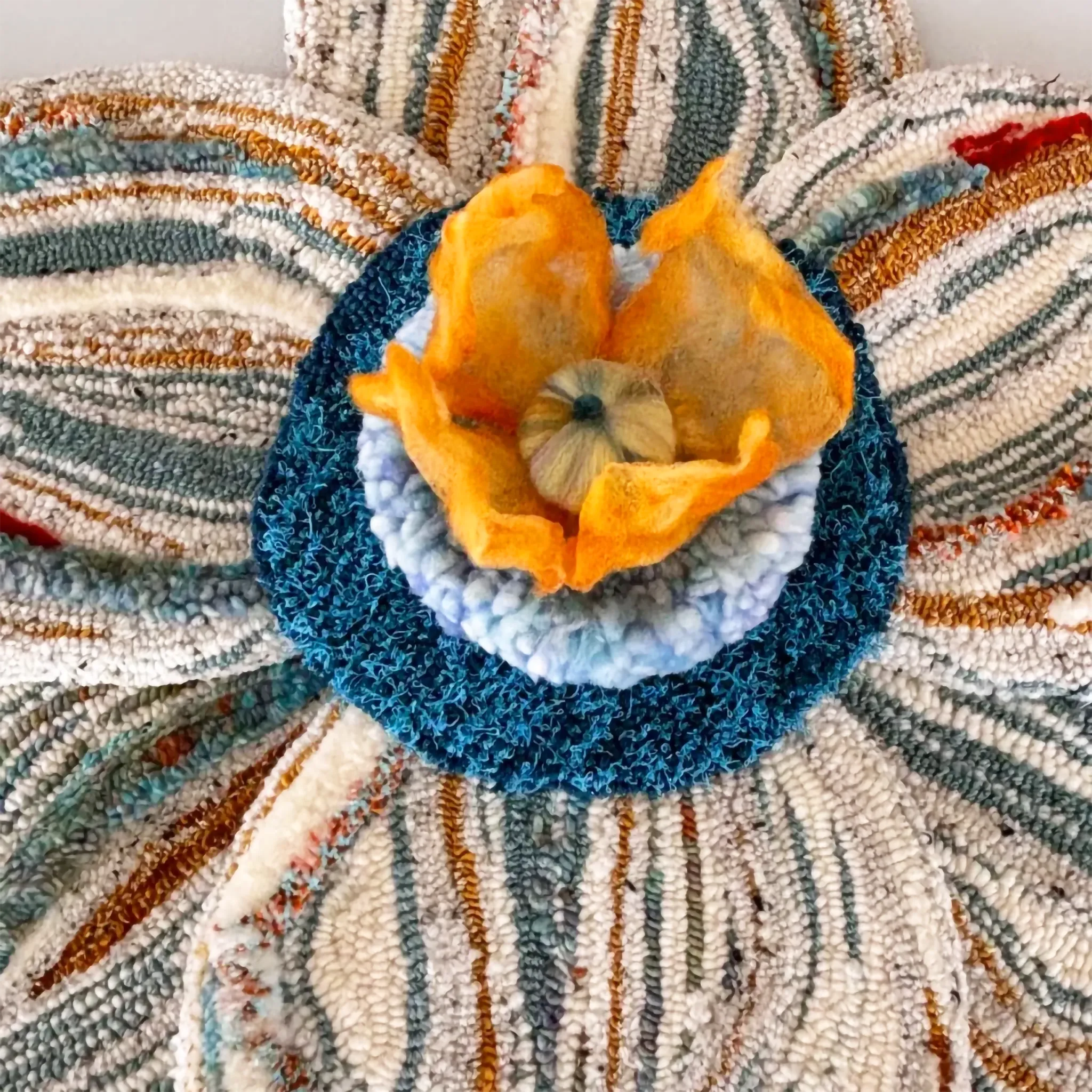
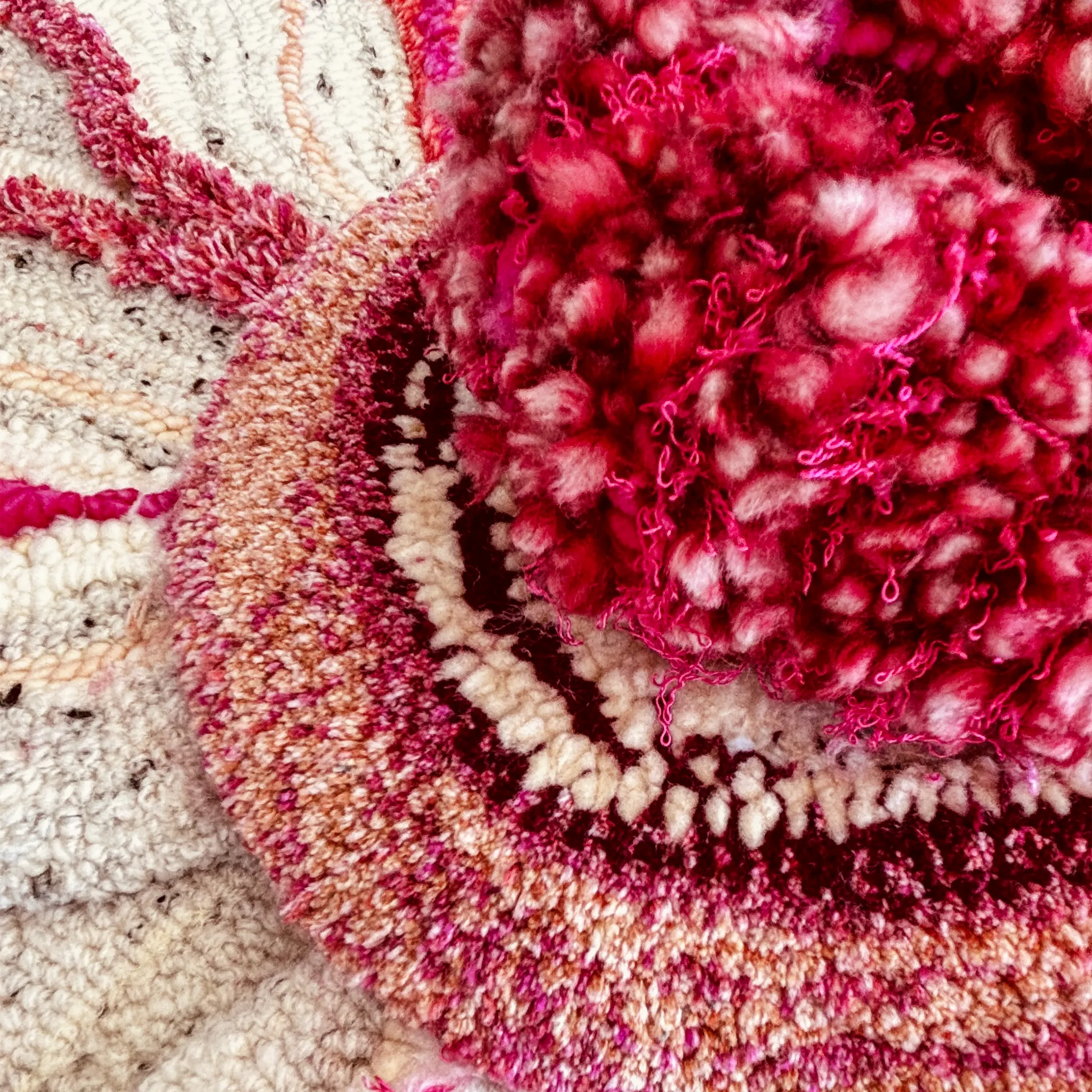
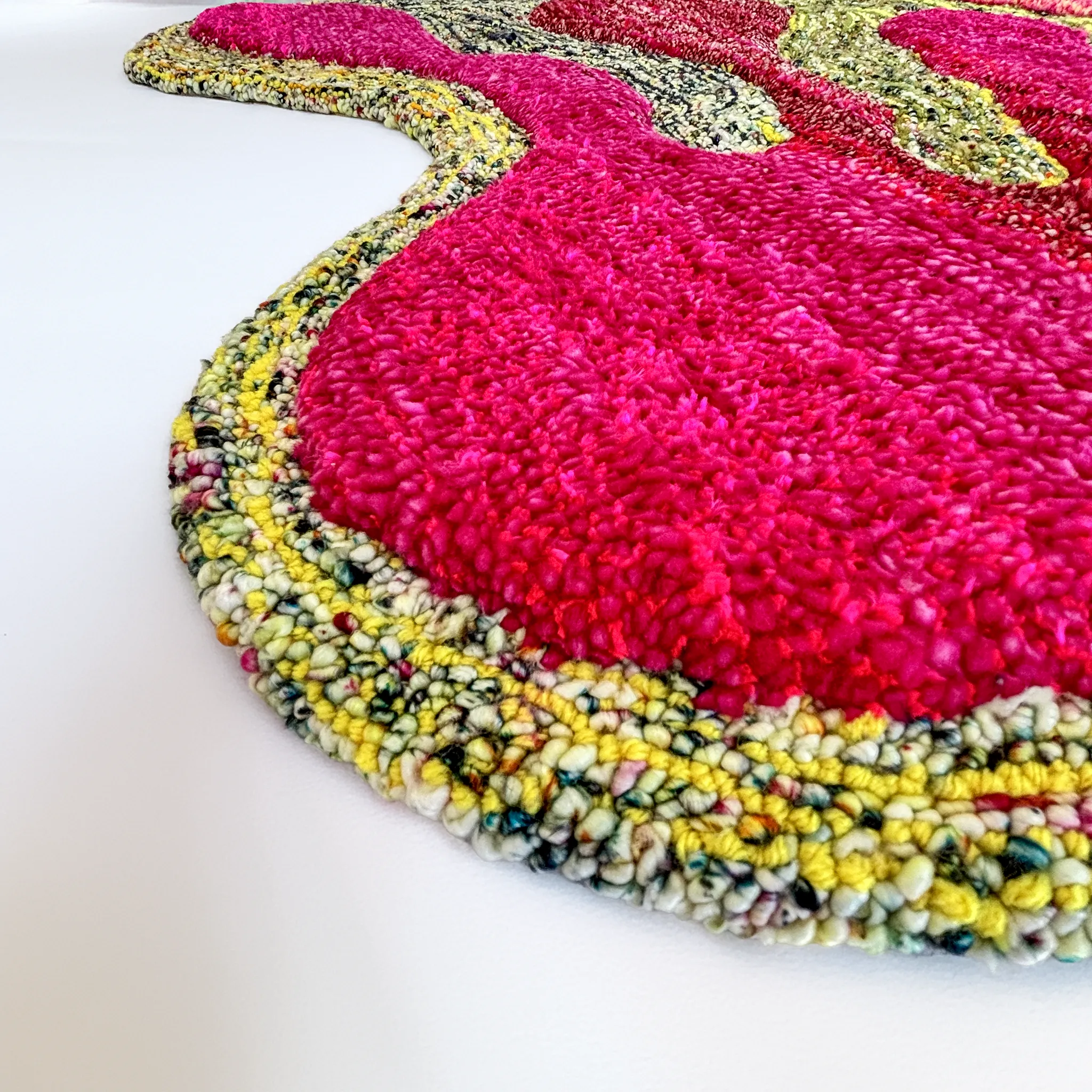
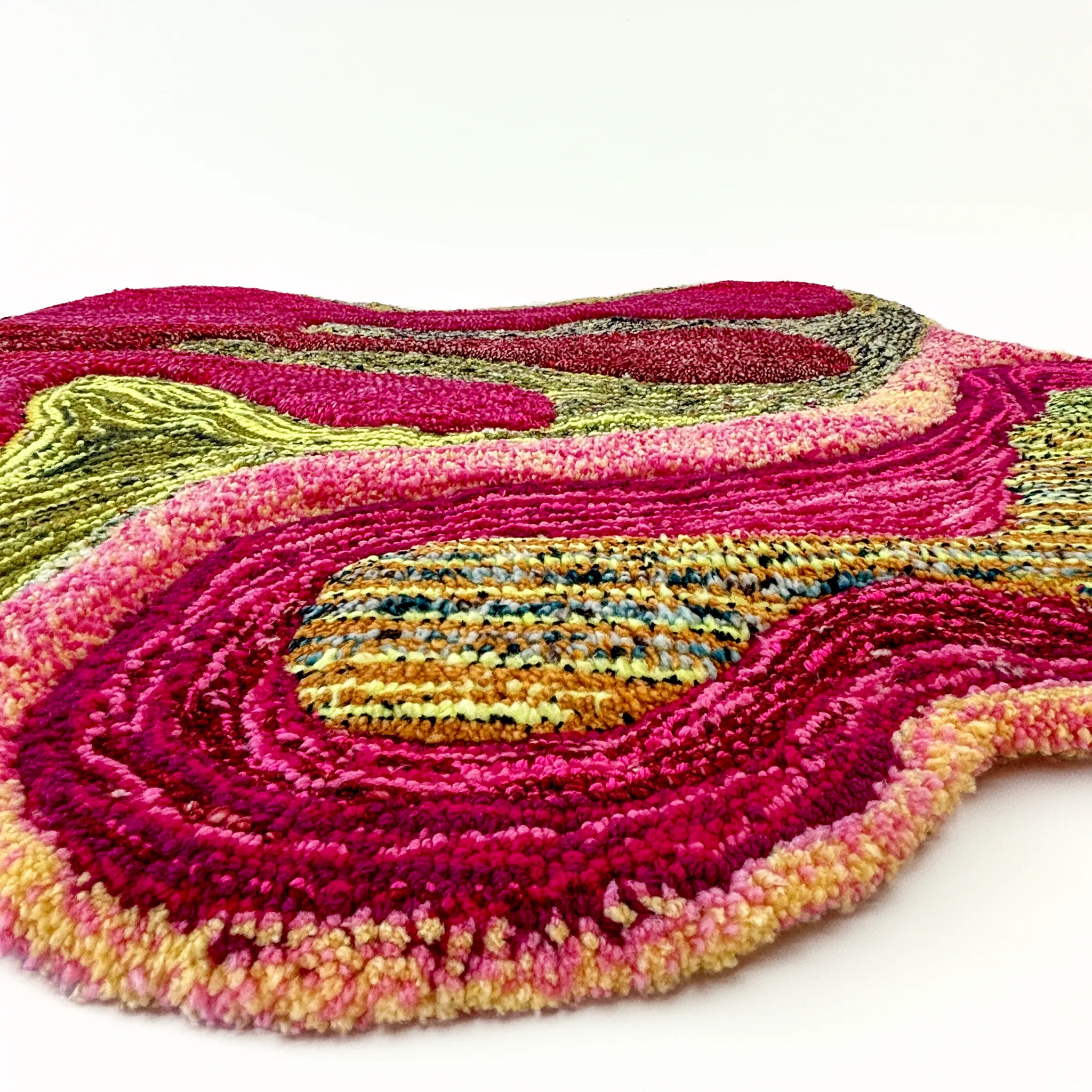
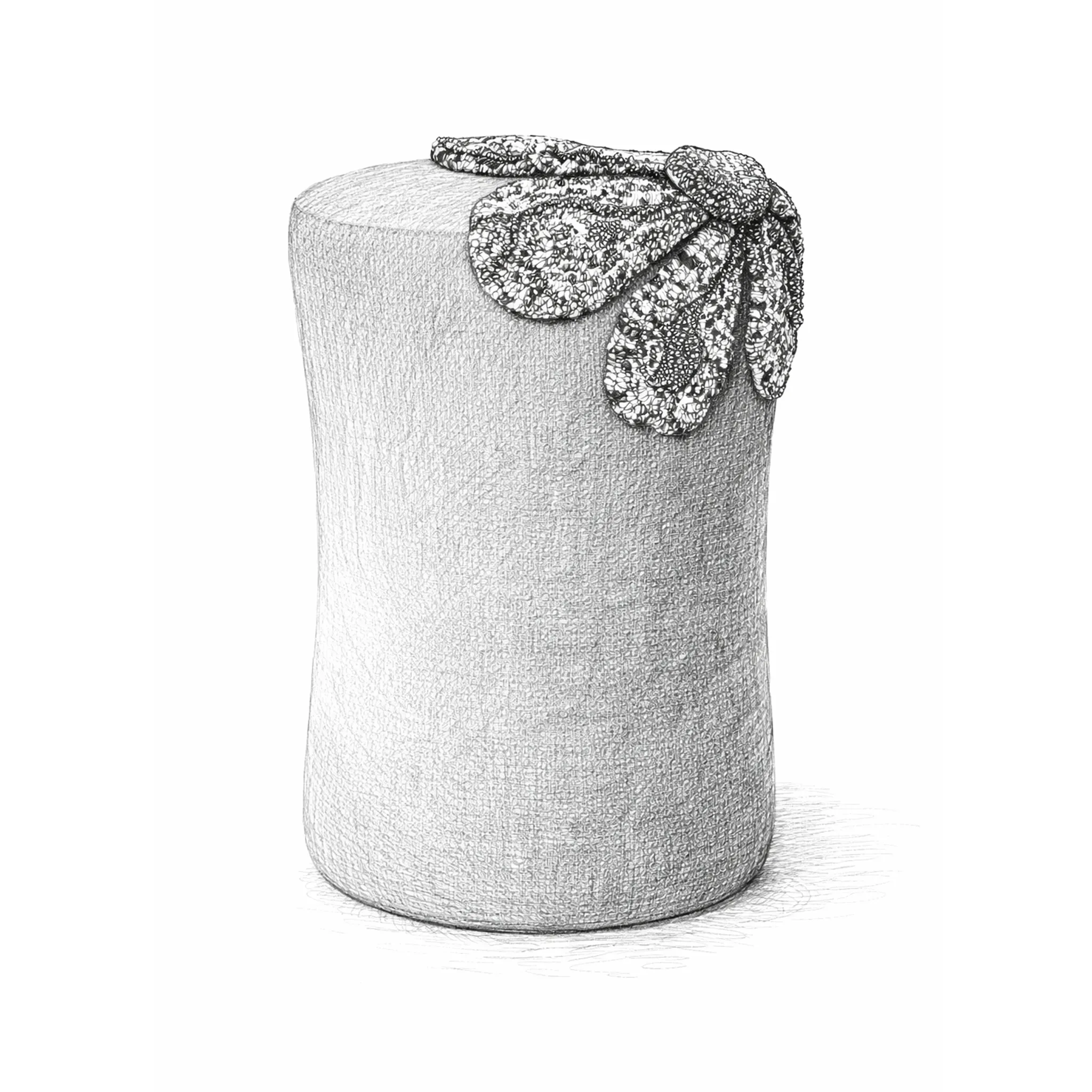
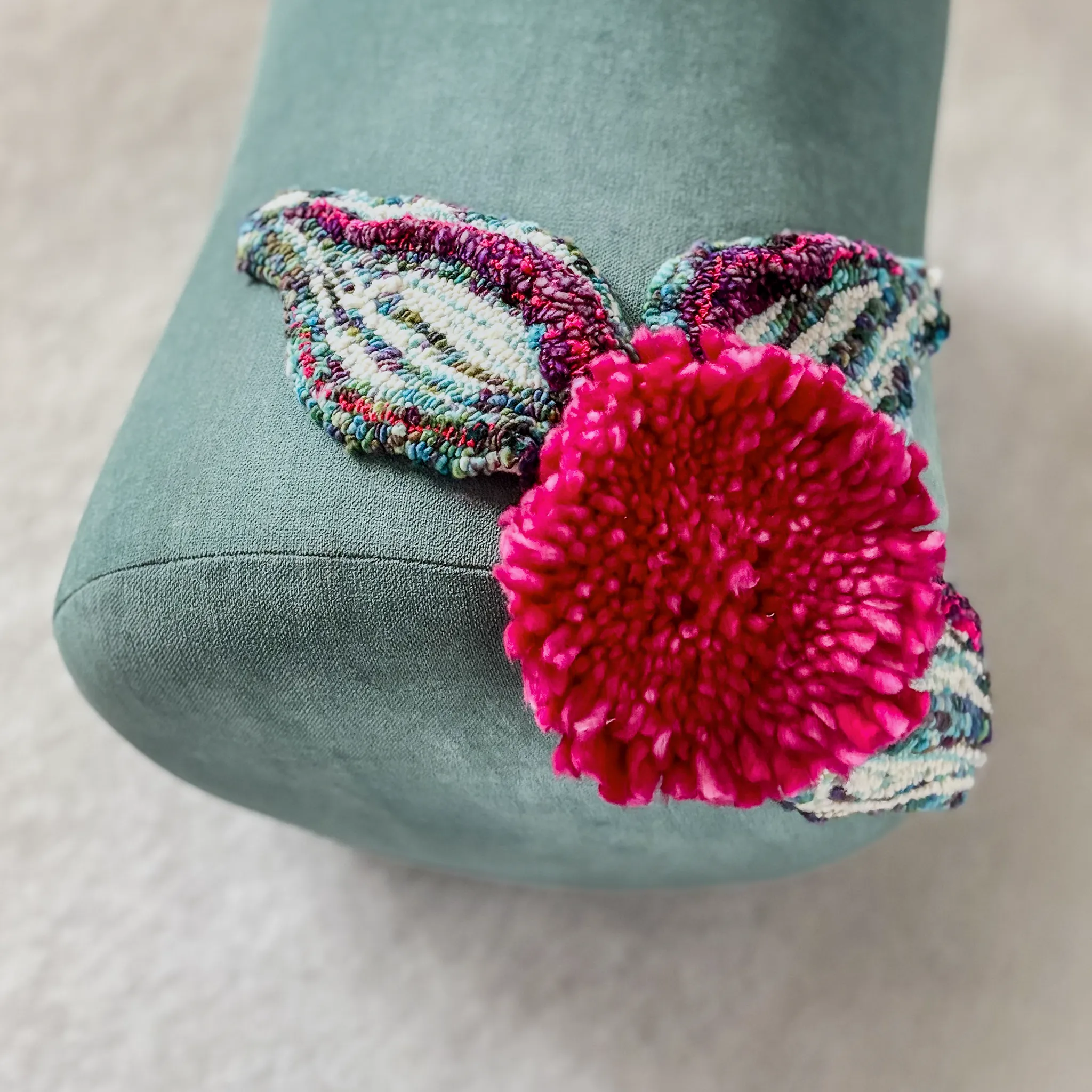
They are structured around a radiating configuration in which each element depends upon another. Petals, centers, excrescences, and membranes coexist in dynamic balance.

Form is never decorative.
It functions as a system: parasitism, symbiosis, and hybridization structure the whole.

Matter circulates within them.
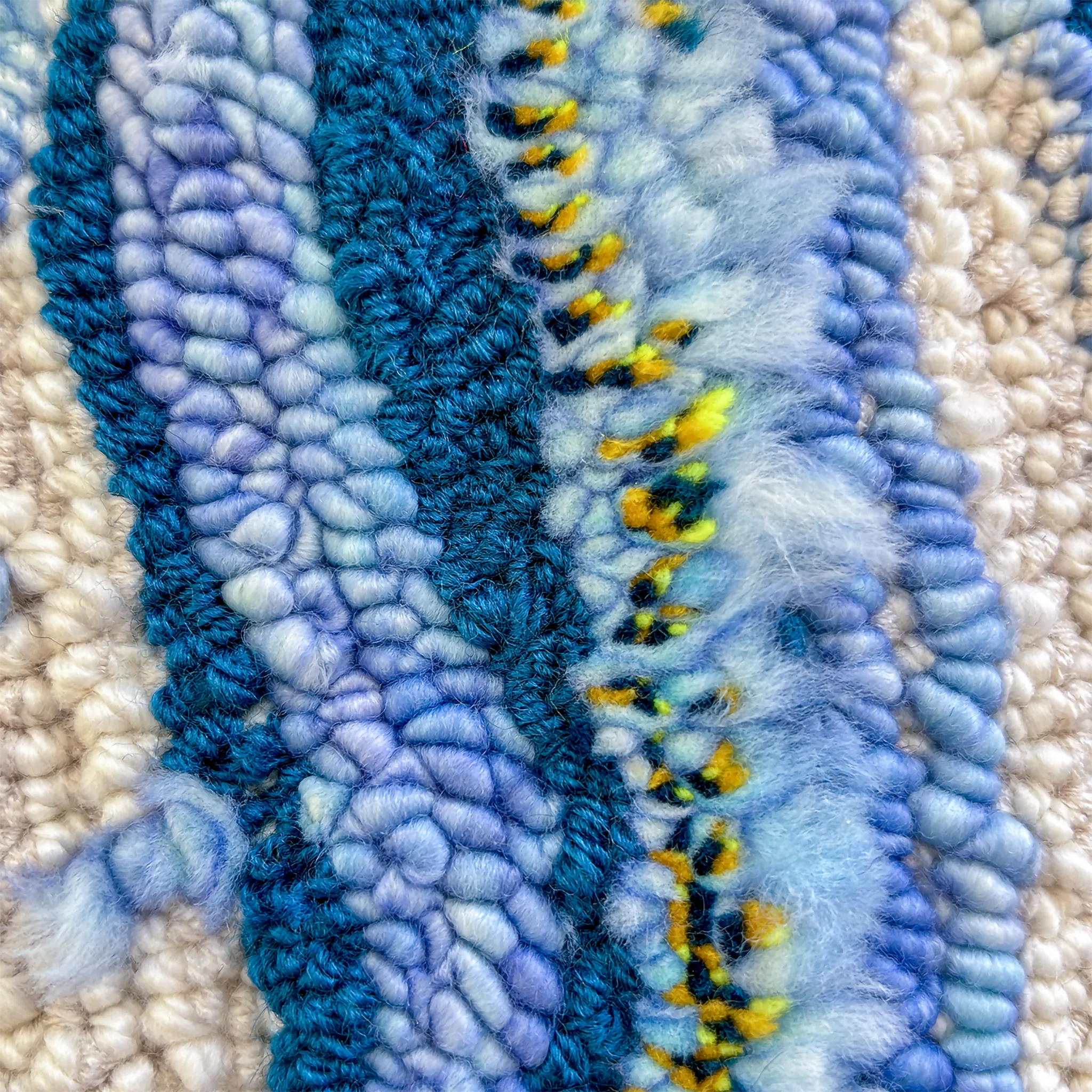
Fibers overlap, extend, and contaminate one another.
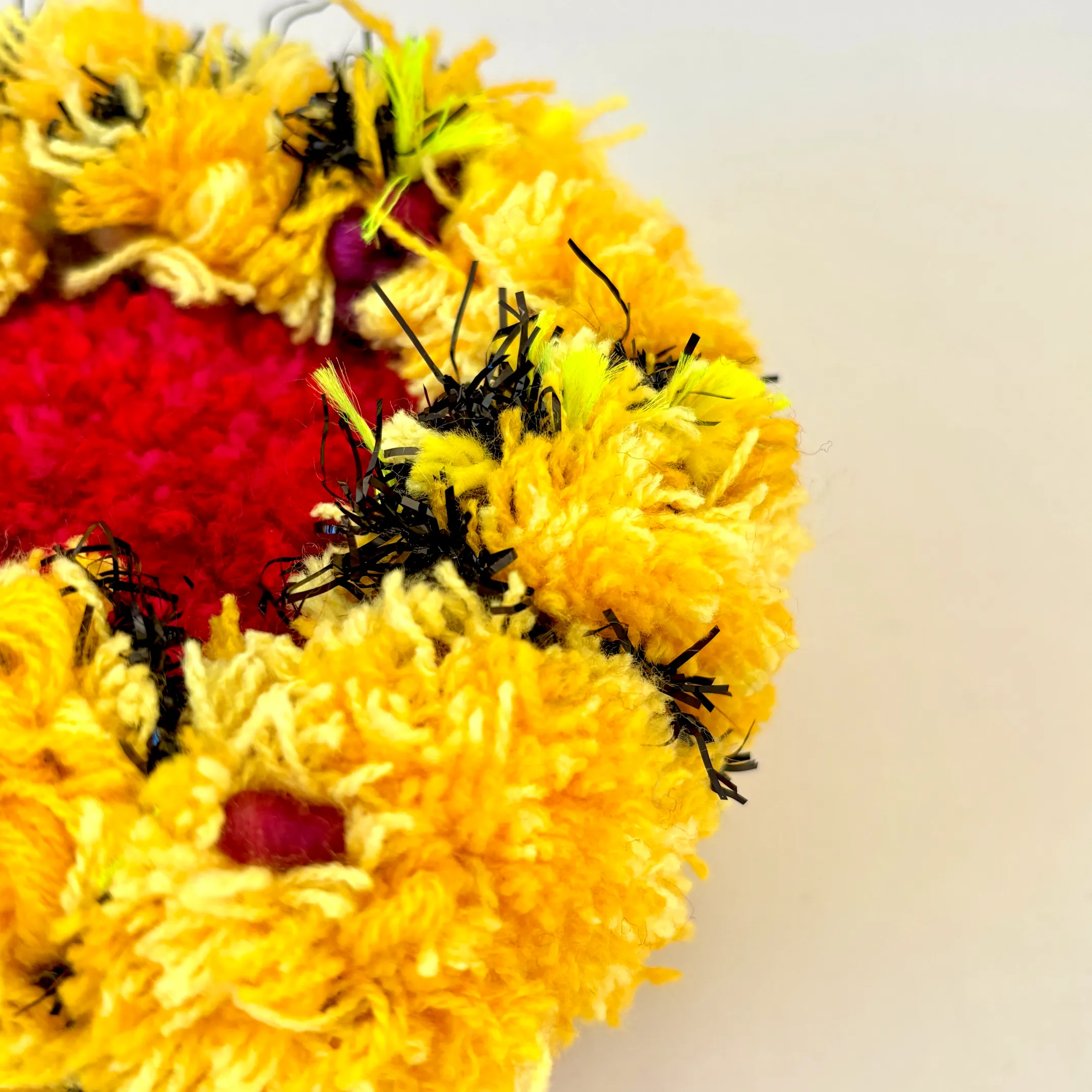
Relief becomes an active membrane.

Each Organism asserts an apparent stability, yet this stability is alive: it rests upon the constant interdependence of forms.

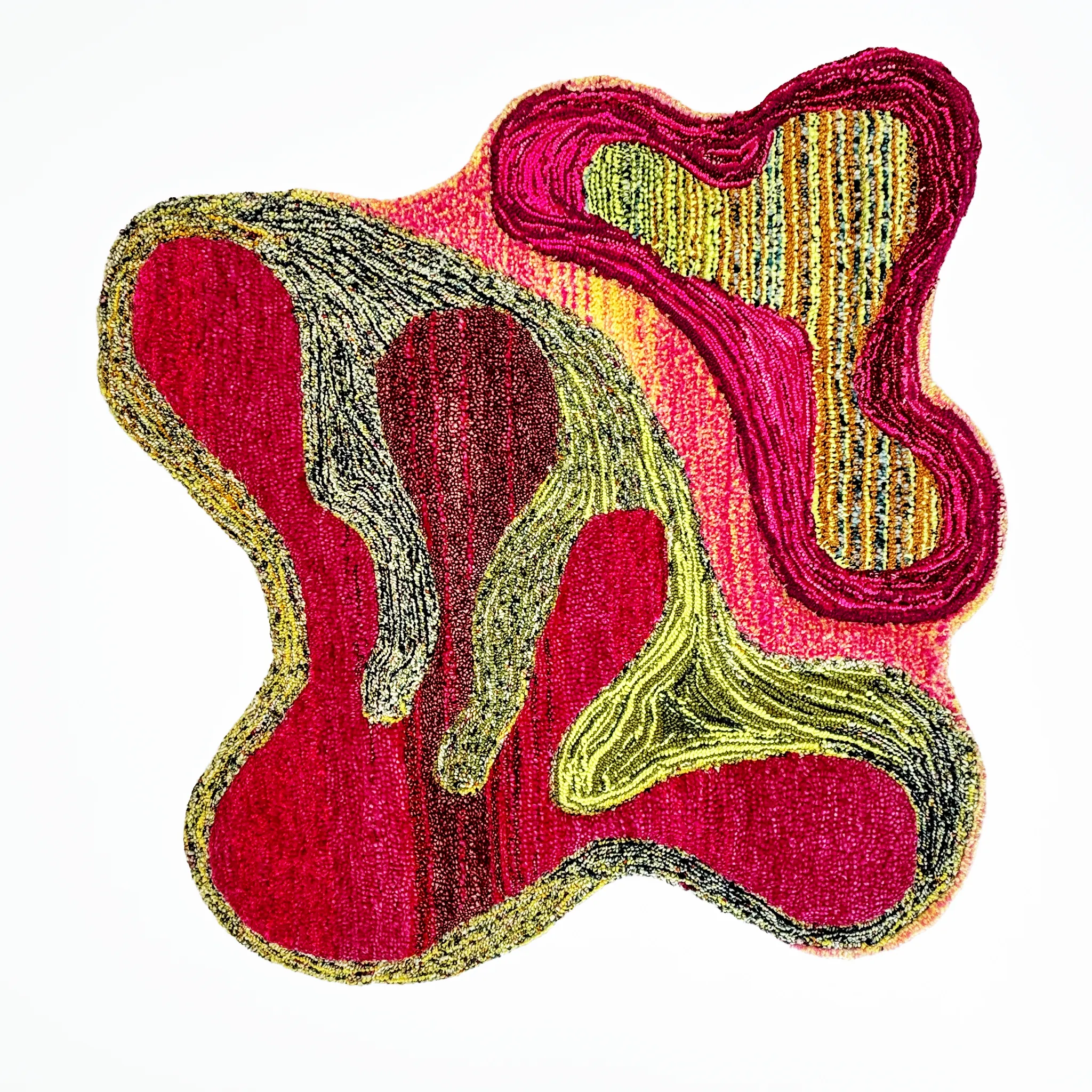
Where Prelevements concentrate potential,
Organisms manifest expansion.

Fragments: Extraction - Separation - Condensation

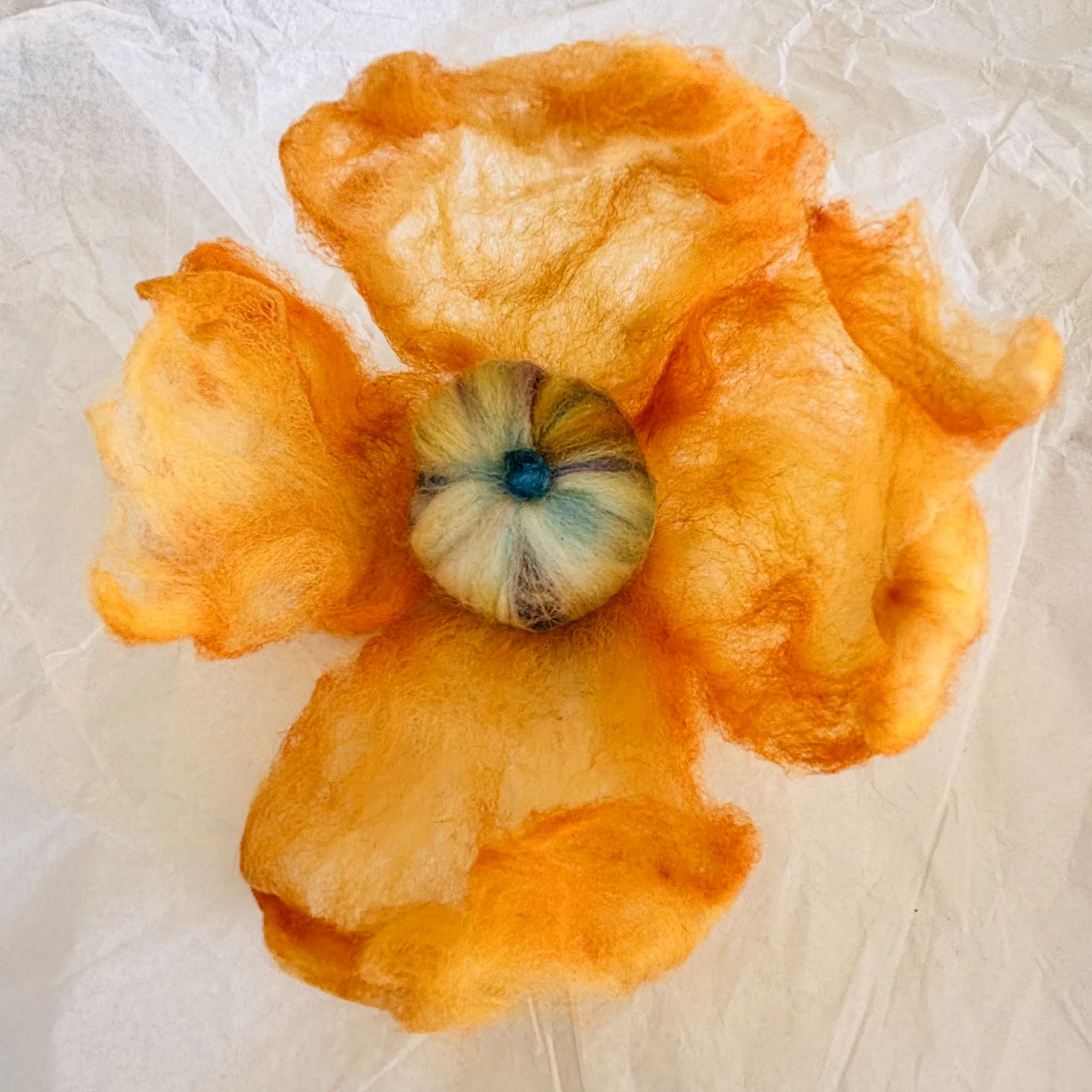
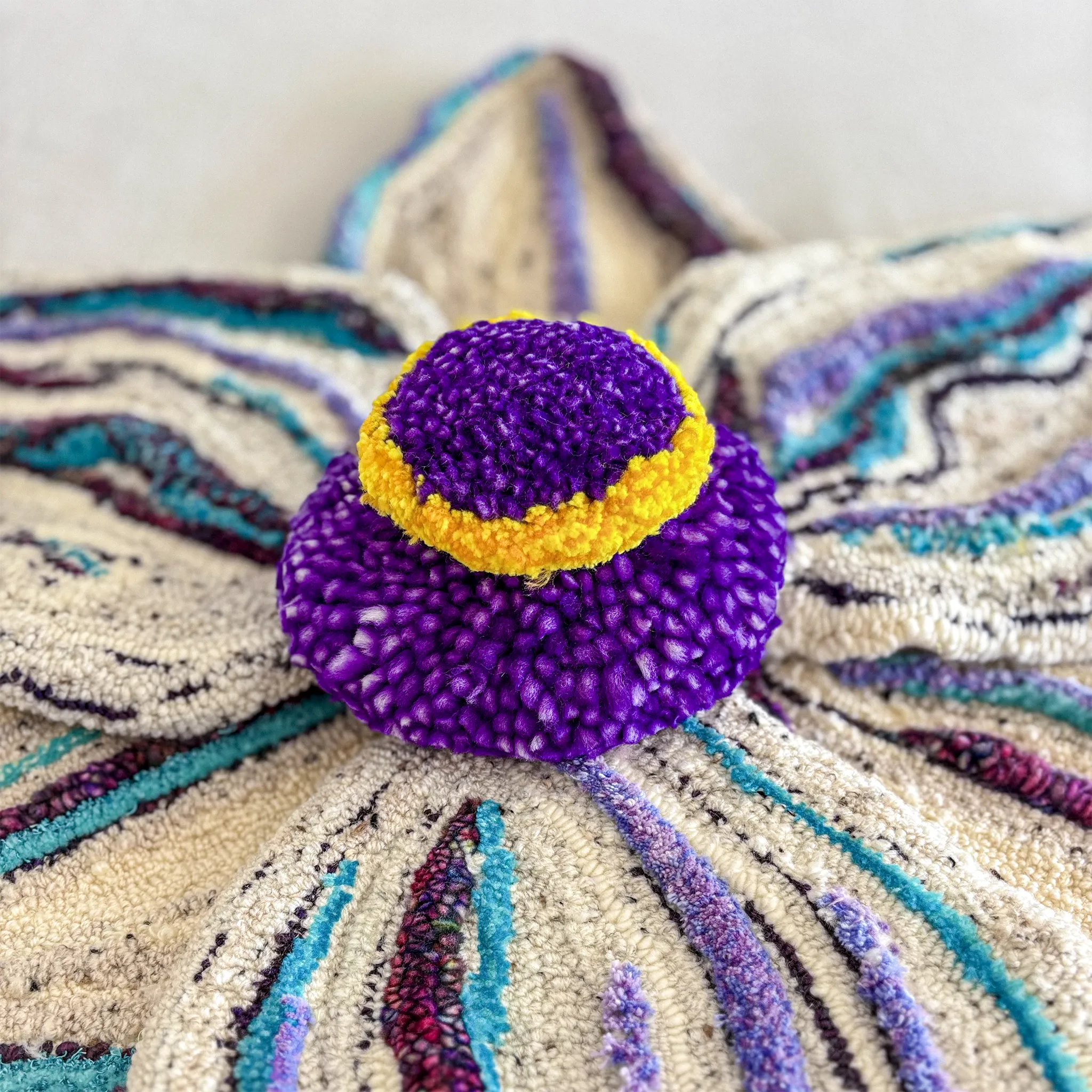
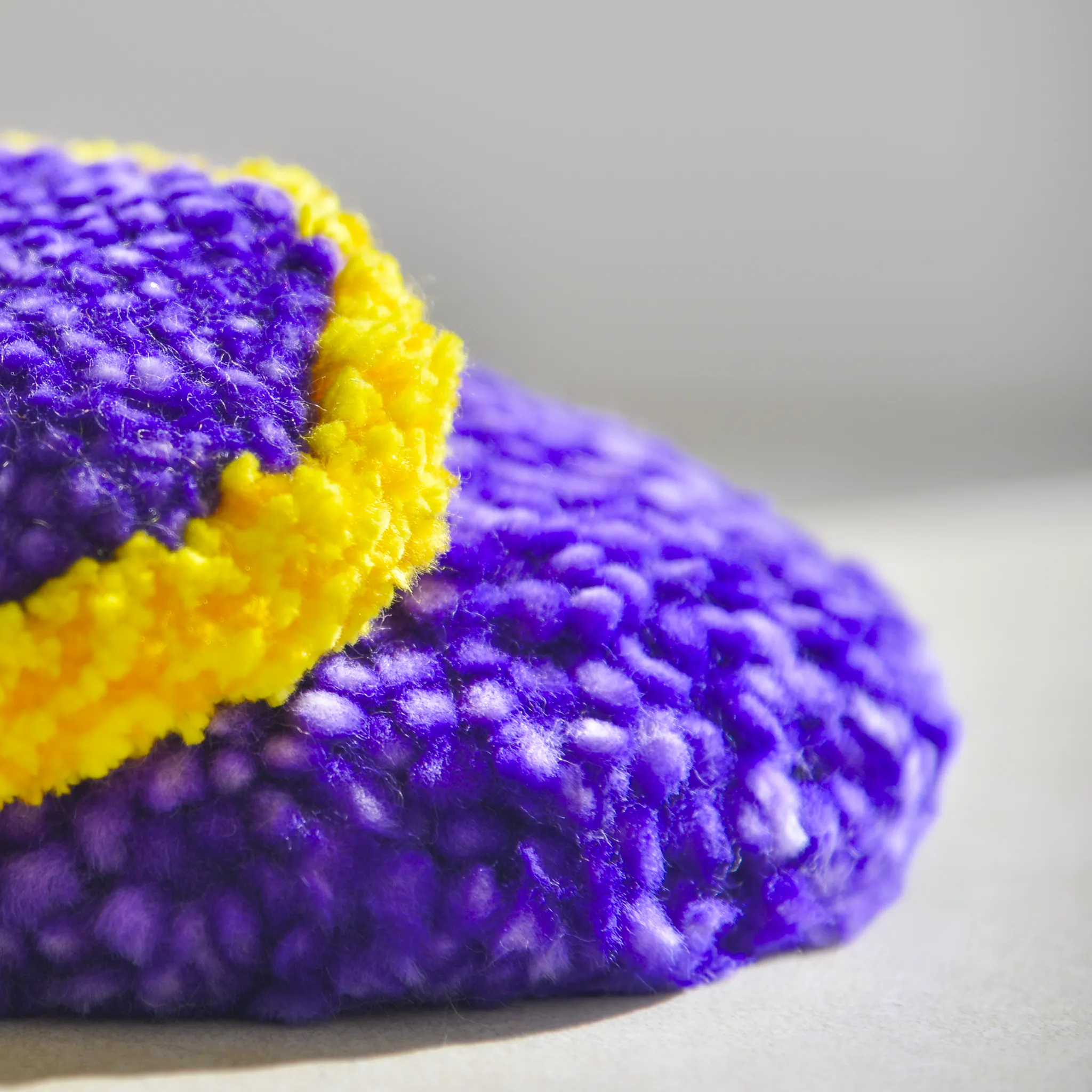
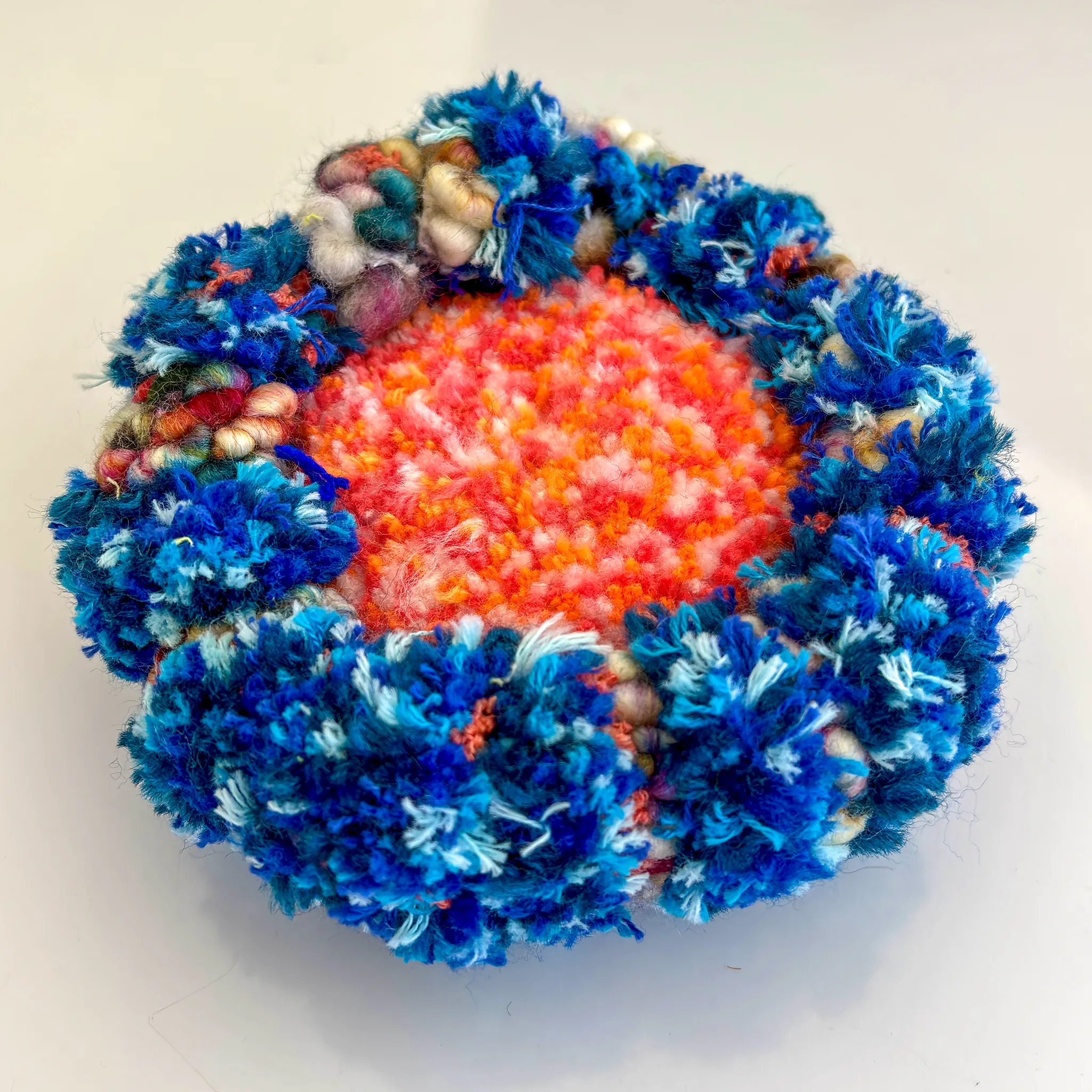
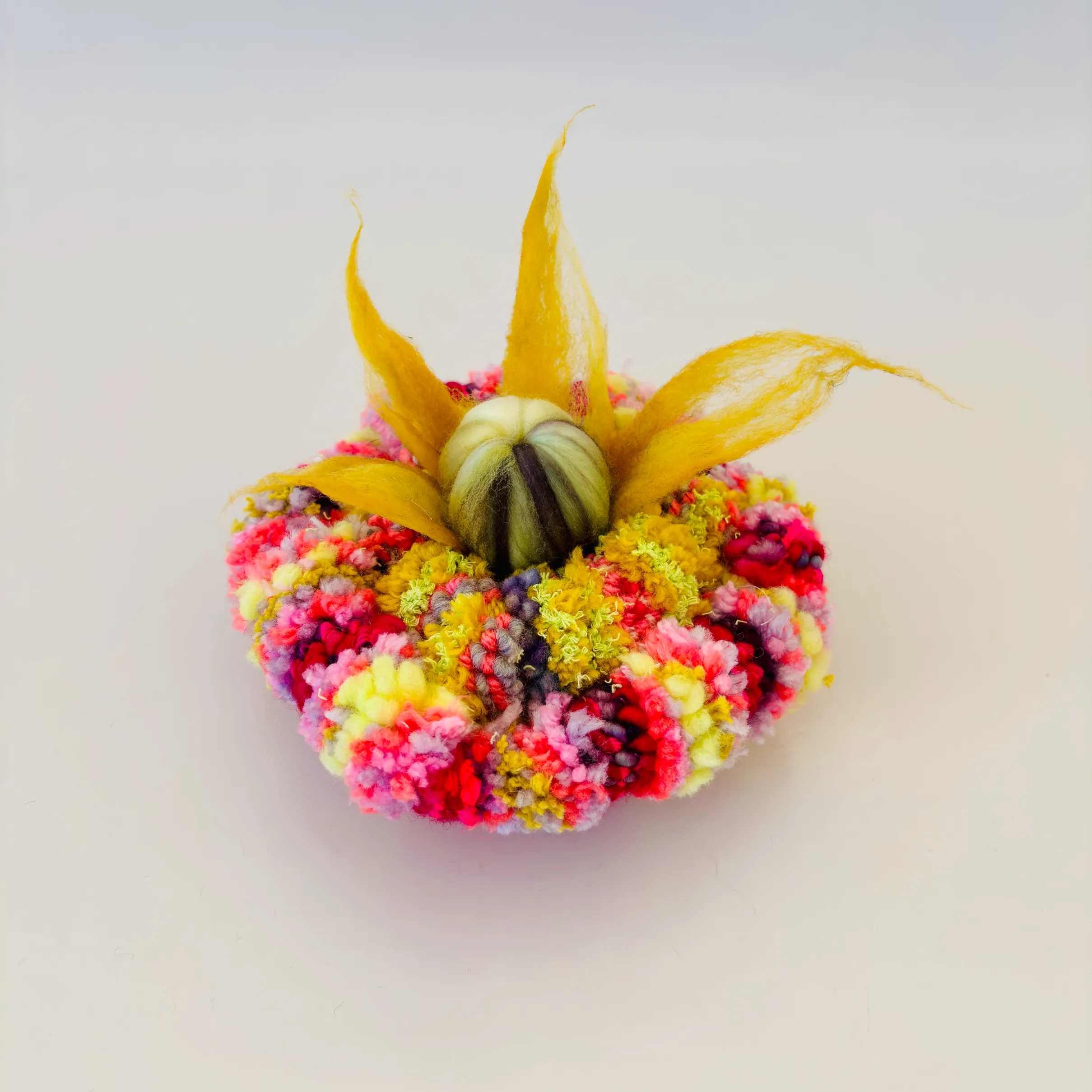
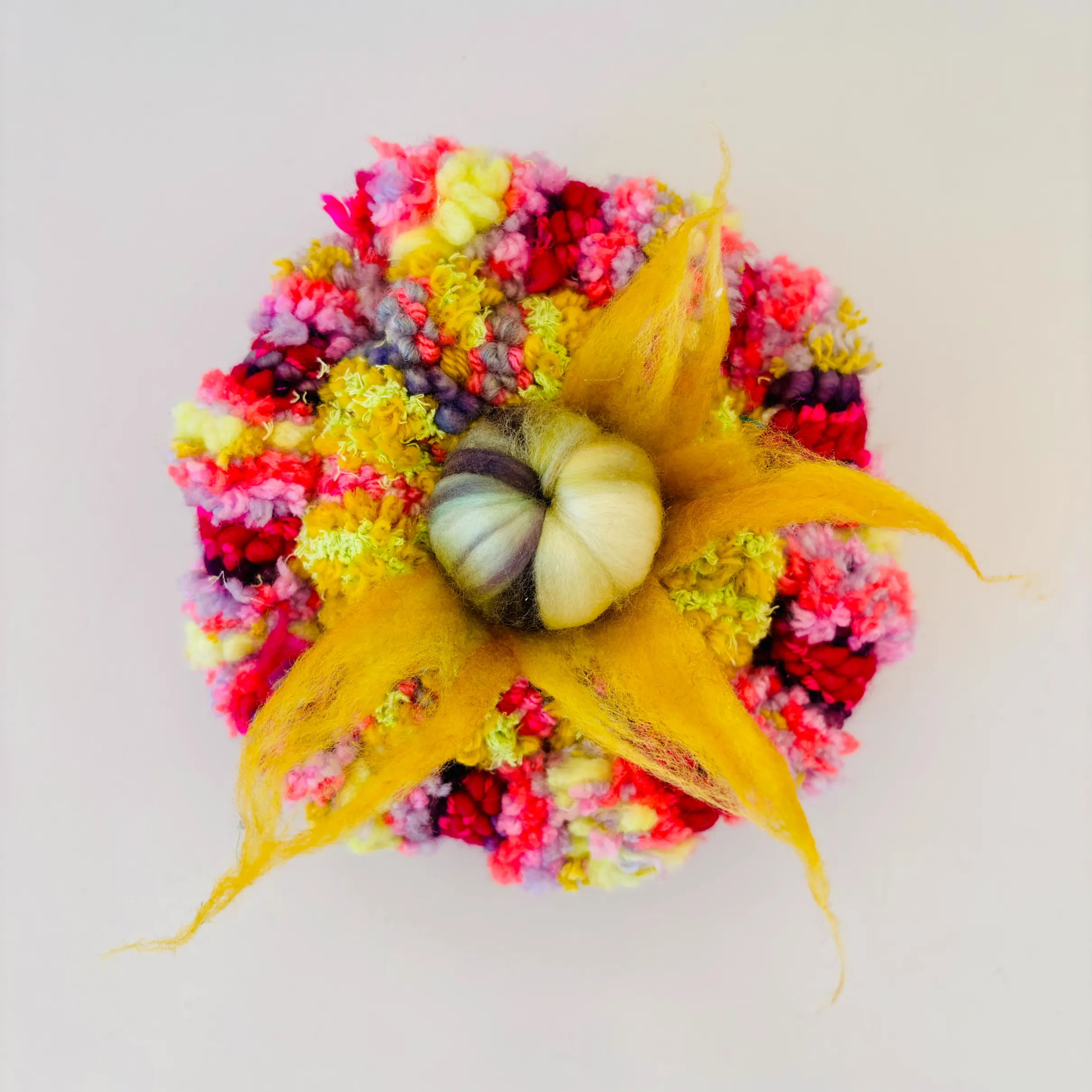
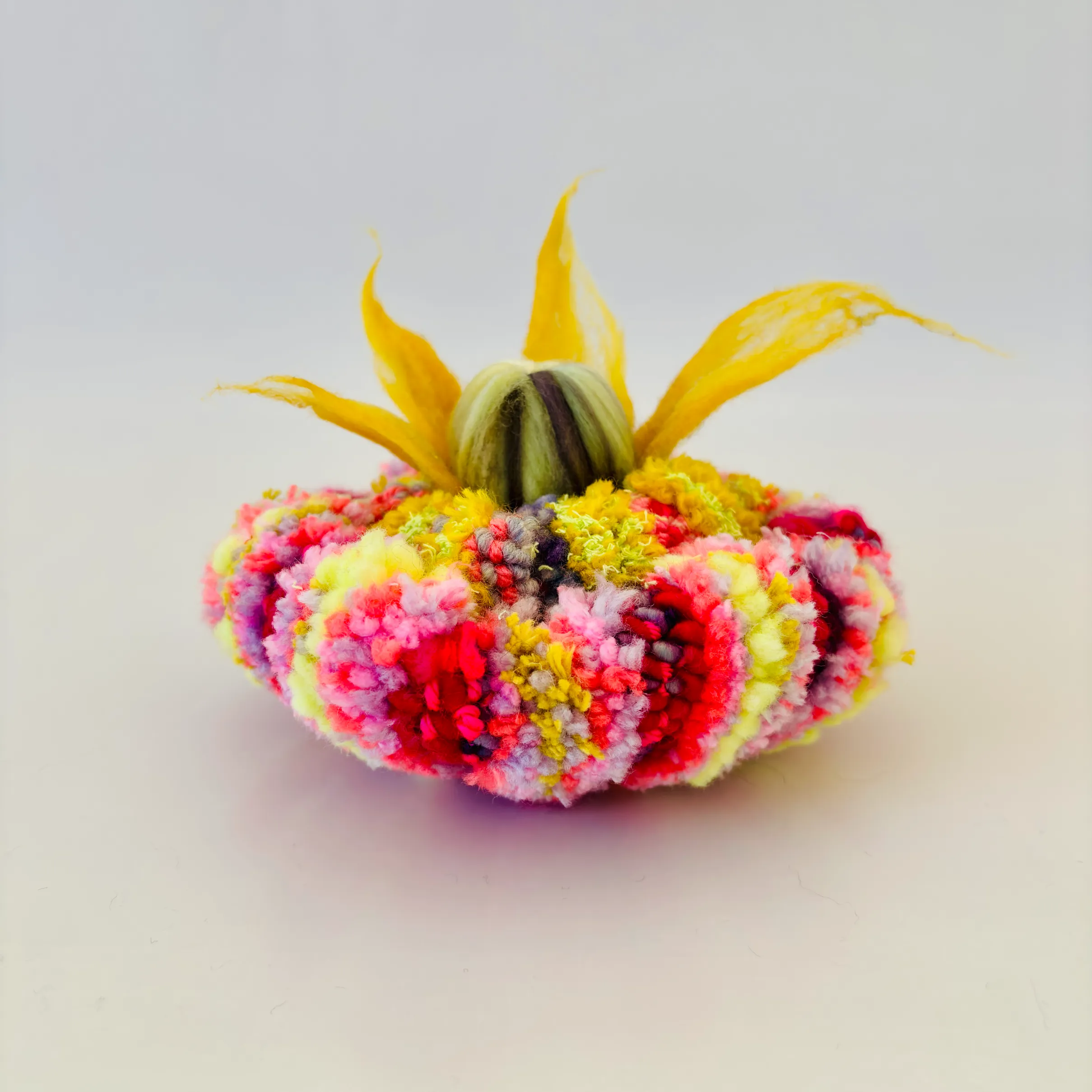
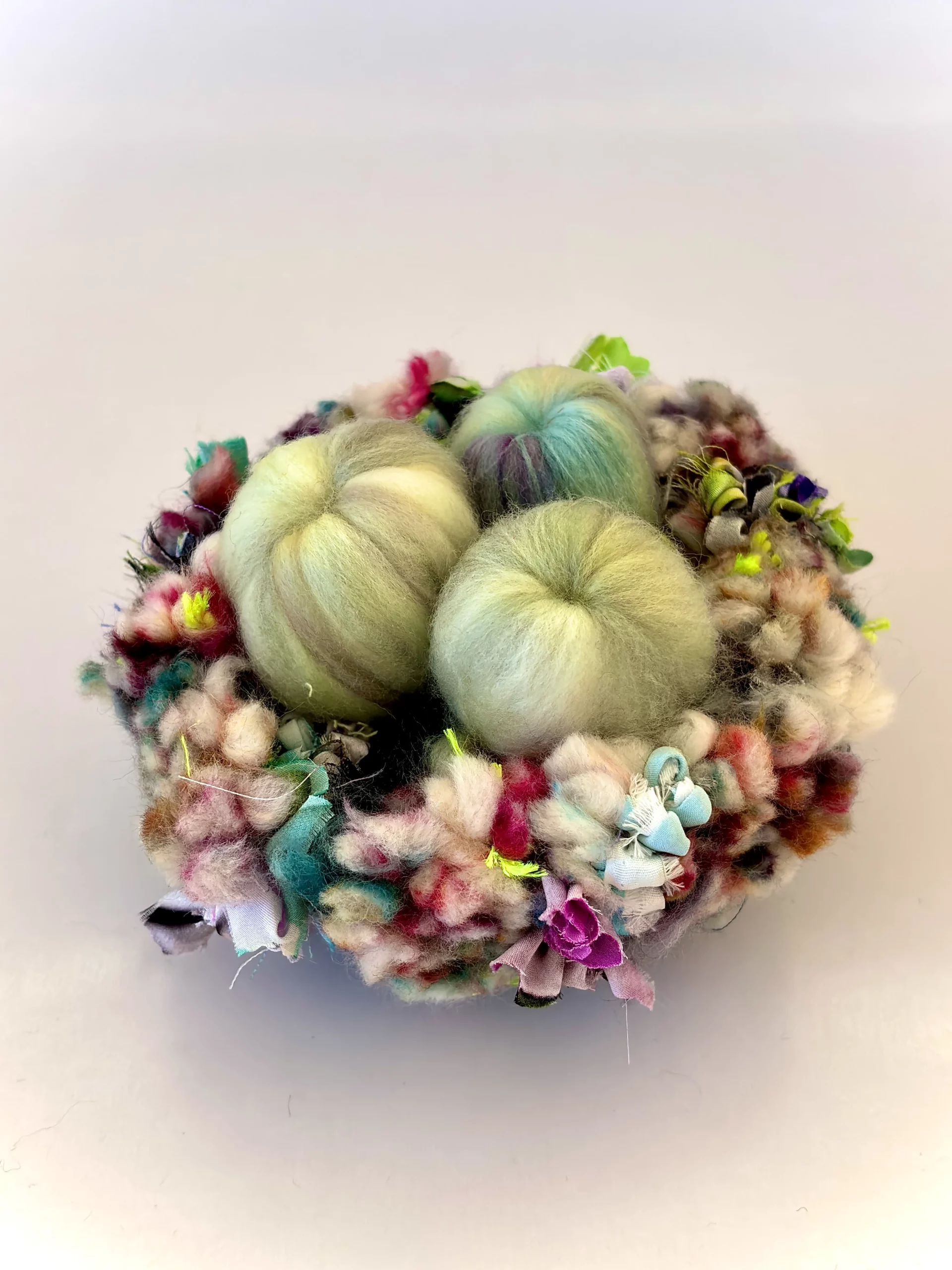
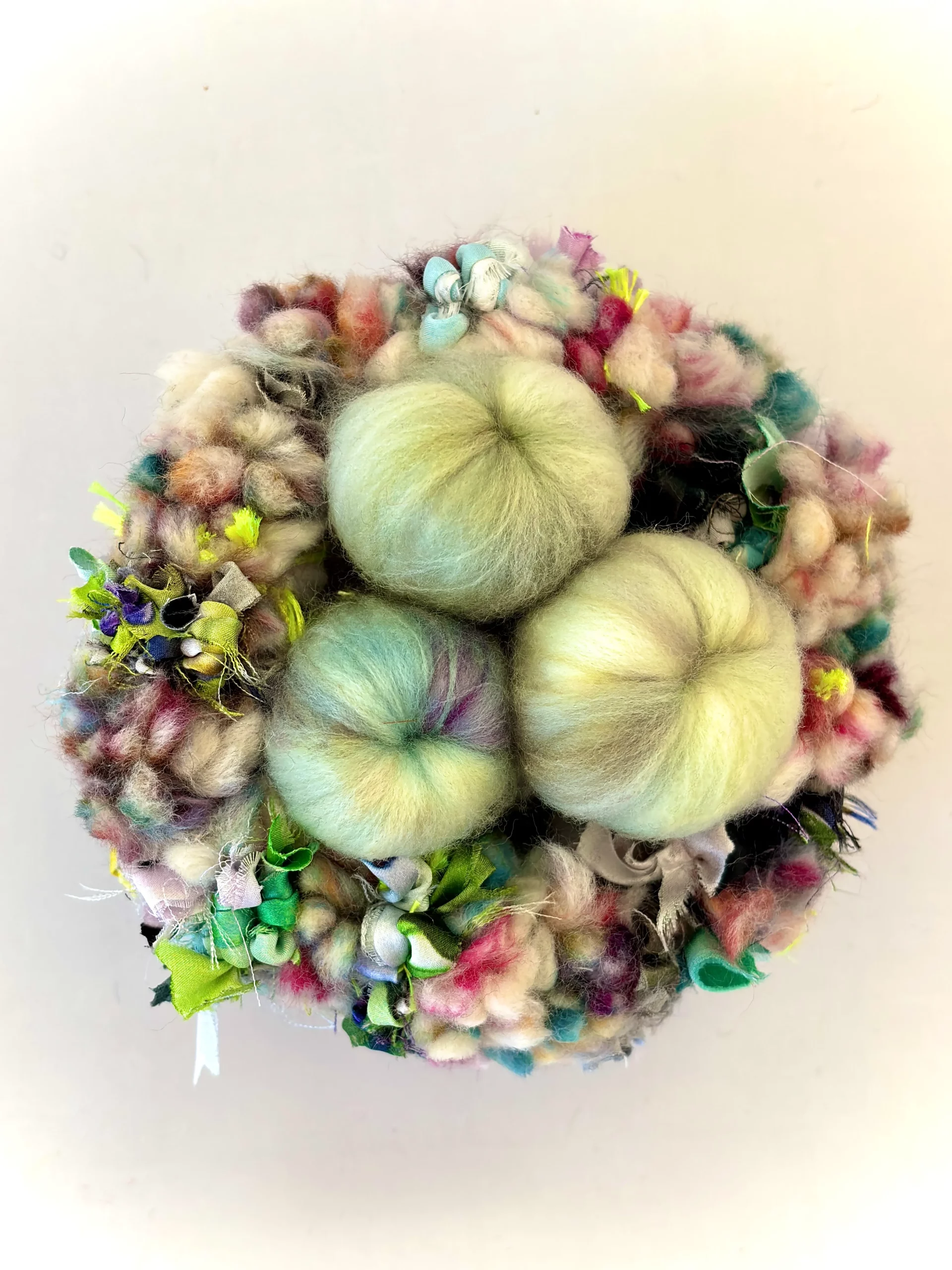
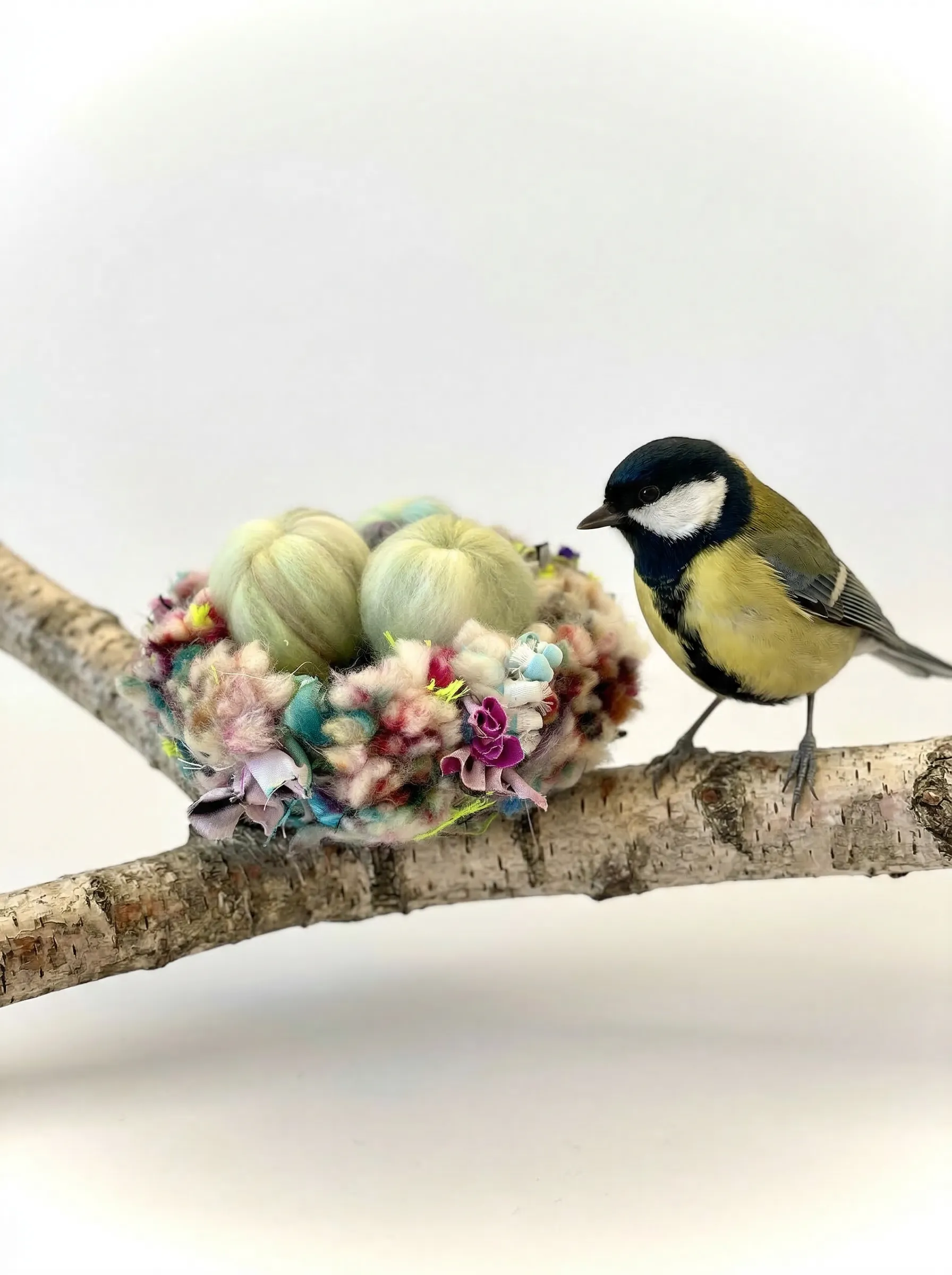
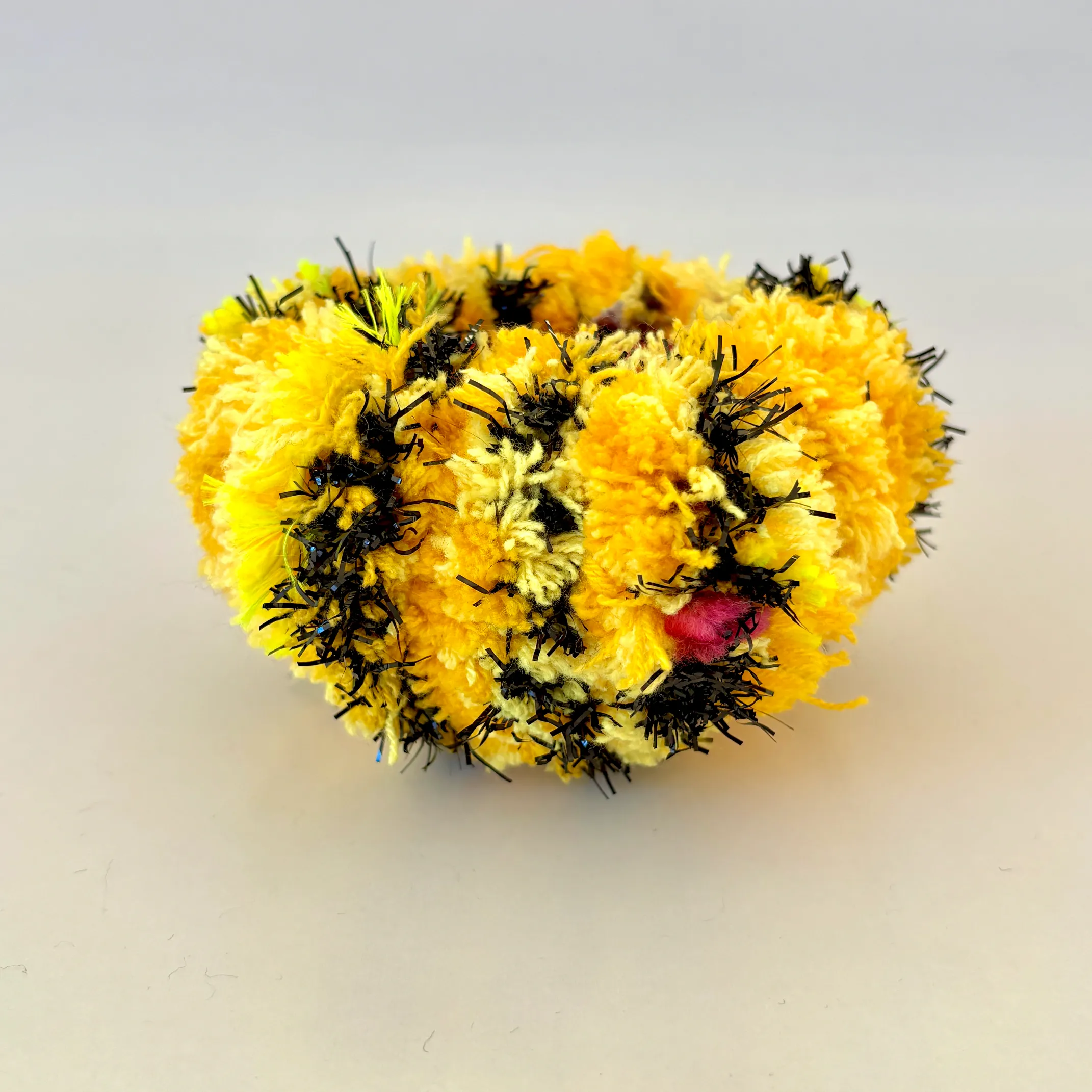
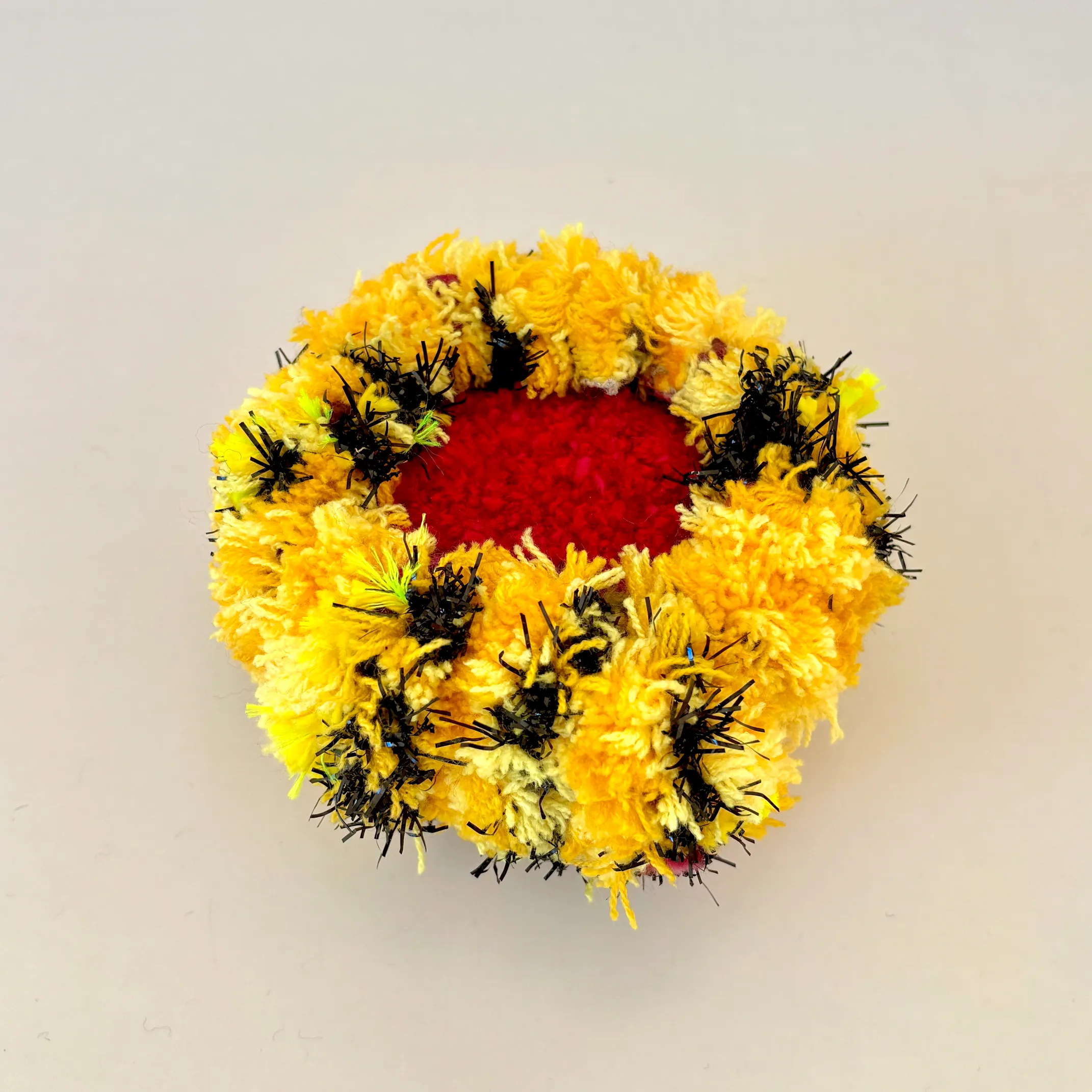
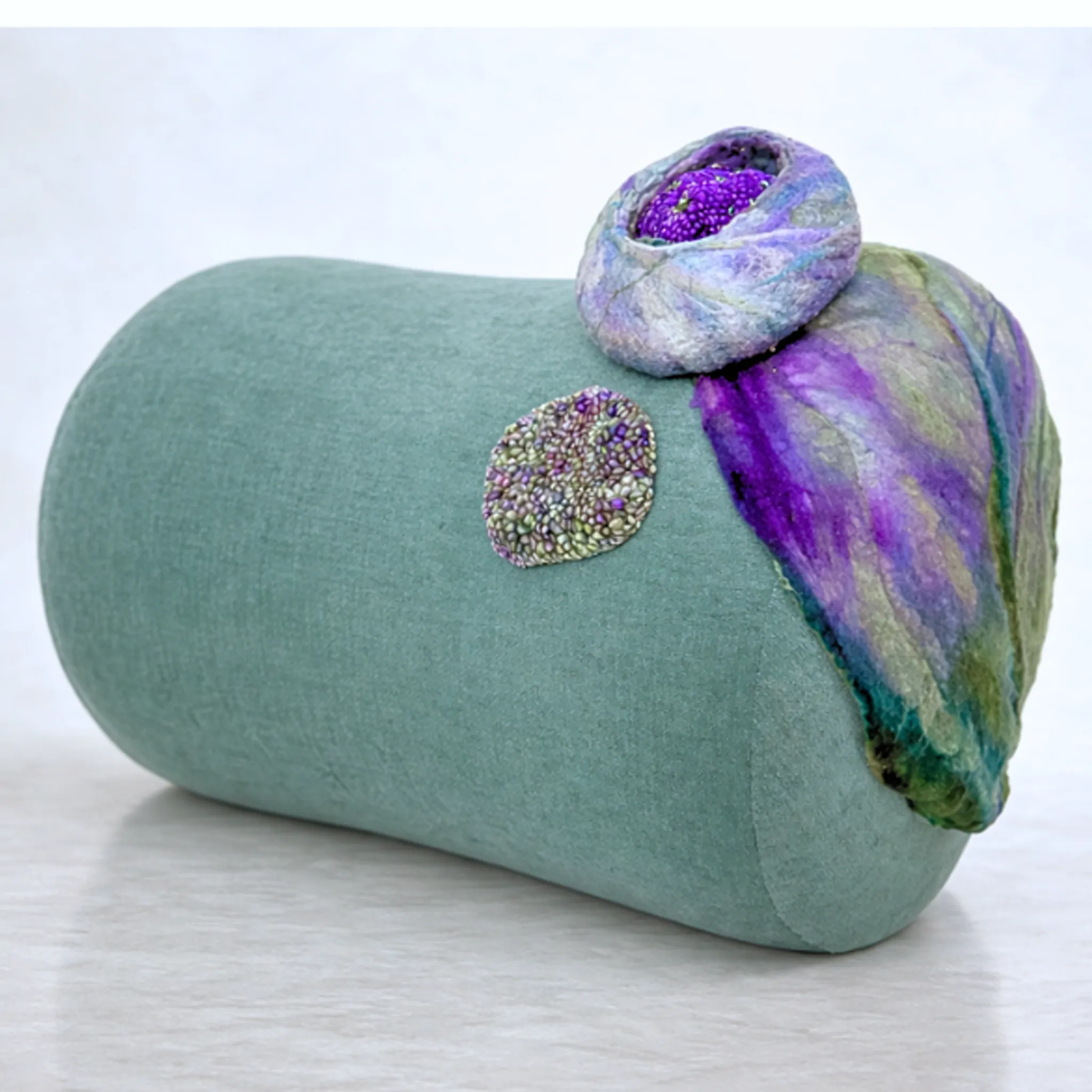
Certain works isolate the center of the organism.

This gesture is not fragmentation but concentration.
I extract the core to reveal its generative power.

These forms function as biological matrices.
They evoke stem cells: fragile in appearance, compact, vulnerable, yet carrying immense potential.

Everything is contained in a latent state.
A possible proliferation.
An organism to come.
A still-silent expansion.

The structure is denser, more condensed.
Life is not deployed; it is concentrated.

These matrices are not detached fragments.
They are beginnings.

They suggest that an organism can emerge from a single point, that complexity can arise from a minimal concentration of matter.

Thus, post-classificatory biomorphism does not limit itself to visible form.
It also explores the origin of the living, its embryonic state — fragile yet infinitely powerful.

Collaborations : BULU

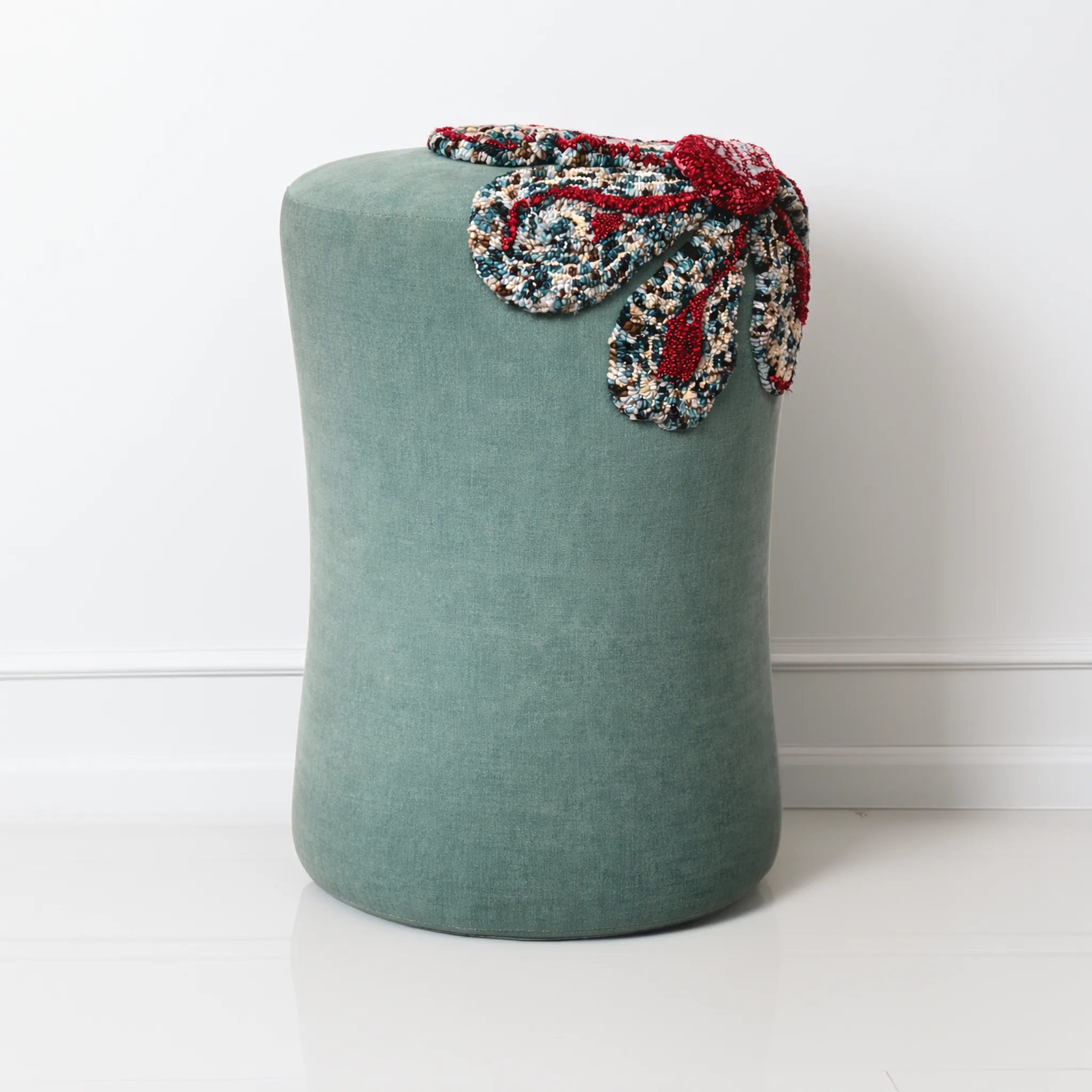
BULU constitutes a sustained extension of my research into inhabited space, developed in collaboration with Marie BULTINGAIRE, upholsterer.

This collaboration is grounded in a precise complementarity:
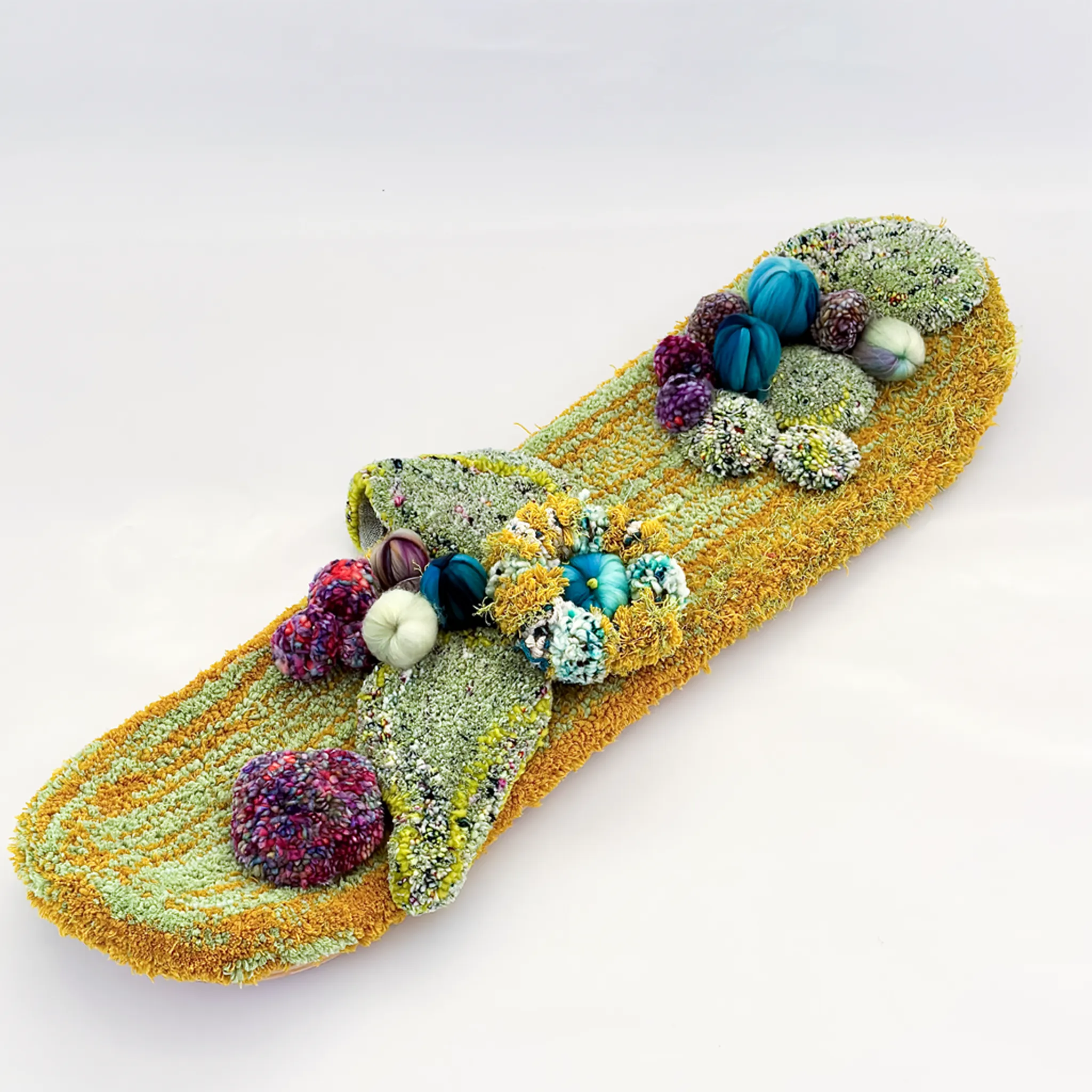
Marie designs and produces the seat — the substrate — while I intervene through the integration of textile Prelevements.

The seat becomes a territory of reception.

The intervention does not function as ornament.
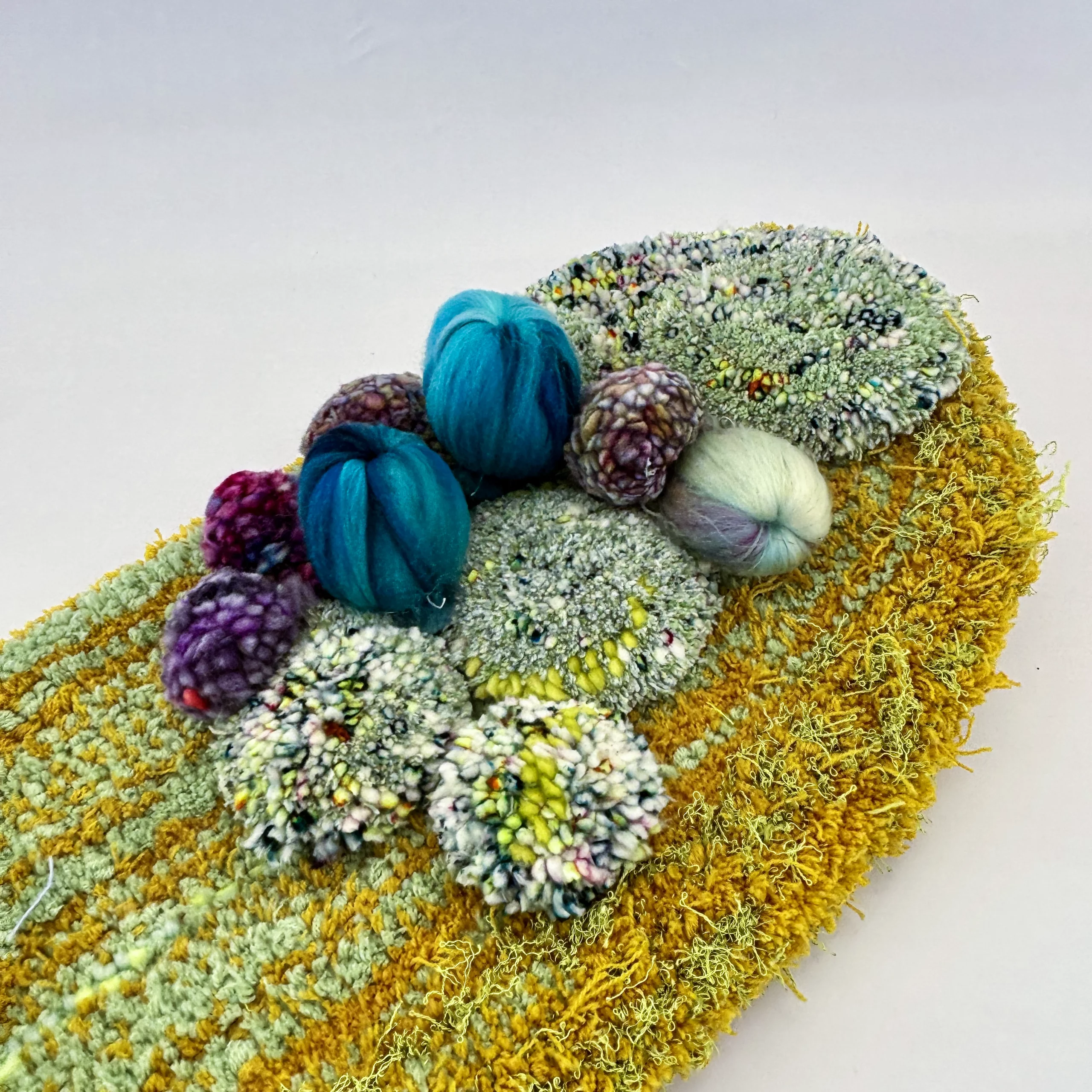
It operates as graft.

The textile organism attaches itself to the upholstered volume, creating a tension between structure and proliferation, stability and expansion.

Each piece is conceived in response to a specific context.
The living form adapts to curvature, tension, and the functional constraints of the furniture.

The collaboration does not transform the work into design.
Rather, it explores the possibility of a migratory organism capable of inhabiting a support and entering into dialogue with use.

BULU thus extends post-classificatory biomorphism into spatial and functional territory.
Contact Eponine Lutz

For any questions or requests regarding prices, availability, and custom orders, please contact me via my contact page.